
Stucco Cracks Around Windows and Doors: Which Ones Are Normal, and Which Could Mean Water Is Getting In?
Cracks often appear at window and door corners in stucco homes. Learn which patterns may be cosmetic, what warning signs to watch for, and why caulk is rarely a lasting repair.
Key takeaways
- Hairline cracks can be cosmetic, but width, pattern, staining, and interior symptoms help tell the difference.
- Cracks wider than about 1/16 inch, recurring cracks, and cracks paired with discoloration deserve a closer look.
- Cracks that follow regular horizontal or vertical spacing may point to movement or moisture affecting the materials behind the stucco.
- Caulk can hide a crack temporarily, but it usually does not create a durable, well-blended stucco repair.
- A proper repair addresses the crack, prepares the surface, rebuilds the finish, and blends the texture with the surrounding wall.
Why do cracks start at window and door corners?
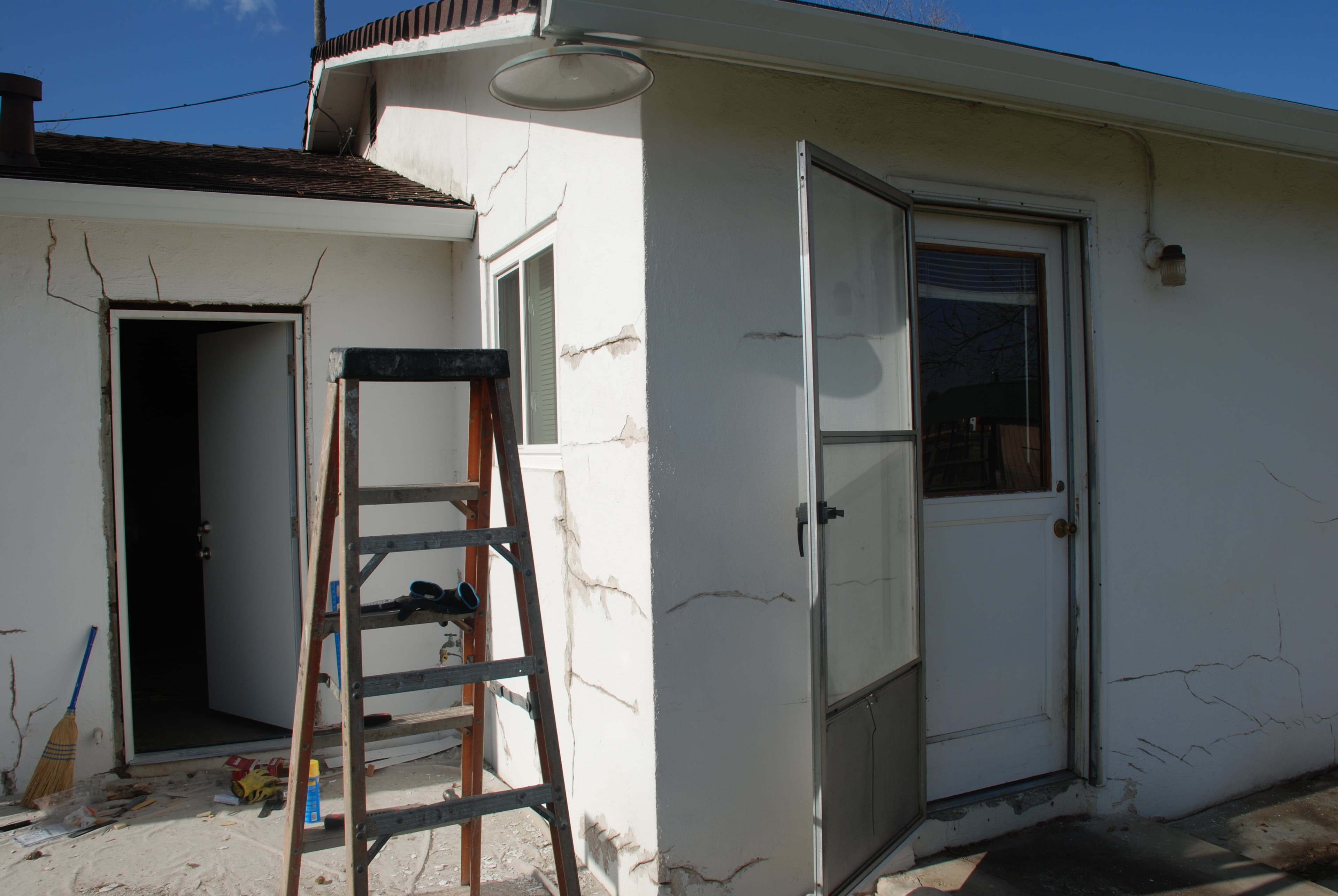
Every window and door opening interrupts the stucco surface. Stucco is rigid, while a frame and the wall around it can move differently as temperatures change and a house settles. That difference concentrates stress at the corners, so cracks often begin there instead of in the middle of an uninterrupted wall.
This pattern is not limited to older homes. We see it on stucco houses from many decades, including the 1990s and early 2000s homes common around Sacramento. Corner cracking is common; whether it is only cosmetic depends on its condition and what else is happening around it.
Are cracks in stucco always a sign of a problem?
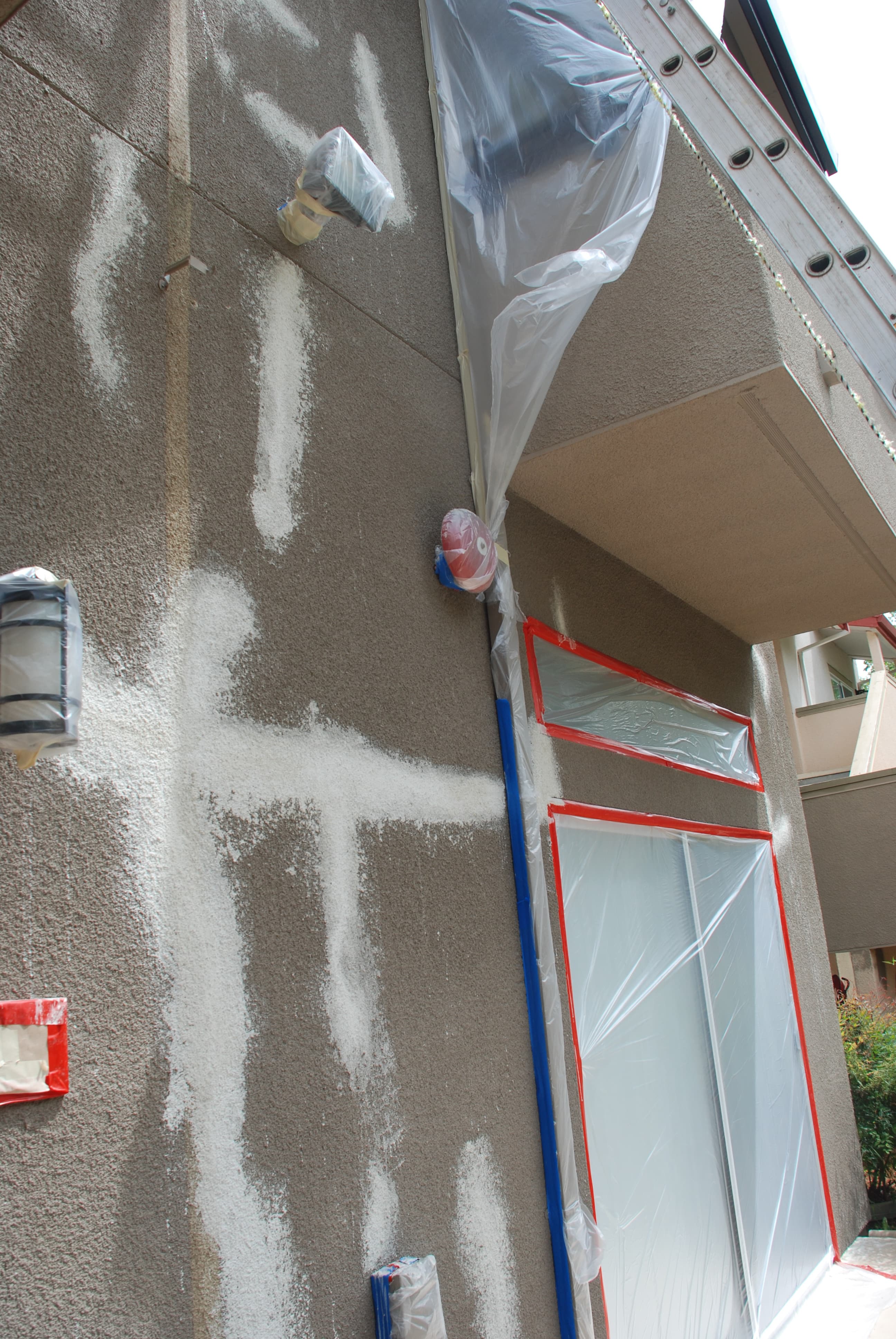
Not always. A thin, stable hairline crack may simply show where the stucco finish is flexing at a stress point. By itself, a small crack is not proof that the wall behind it is failing.
The picture changes when a crack gets wider, branches into a stair-step pattern, returns after an earlier repair, or appears alongside staining or discoloration. Those are reasons to have the area evaluated rather than judging the crack by appearance alone. Learn more about stucco repair options and what a stucco inspection can help clarify.

What warning signs suggest water could be getting behind the stucco?
Look at the whole area, not just the line in the stucco. A crack deserves more attention when it is wide, has a repeating pattern, or appears with signs that water may be reaching the wall assembly. Avoid digging into the surface yourself; a professional can assess whether further investigation is appropriate.
- A crack wider than roughly 1/8 inch, or one that is visibly widening over time.
- Cracks around a previous patch, especially if the surrounding finish is separating or cracking again.
- Tan or gray streaks, staining, or discoloration below the crack or near an opening.
- Soft or spongy areas near the crack when pressed gently; do not puncture or scrape the wall.
- Interior peeling paint, bubbling, or a musty smell on the other side of the same wall.
- Repeated horizontal cracks around four-foot intervals or vertical cracks near stud spacing; these patterns warrant evaluation, but do not by themselves prove water intrusion.
Does caulking a crack fix it for good?
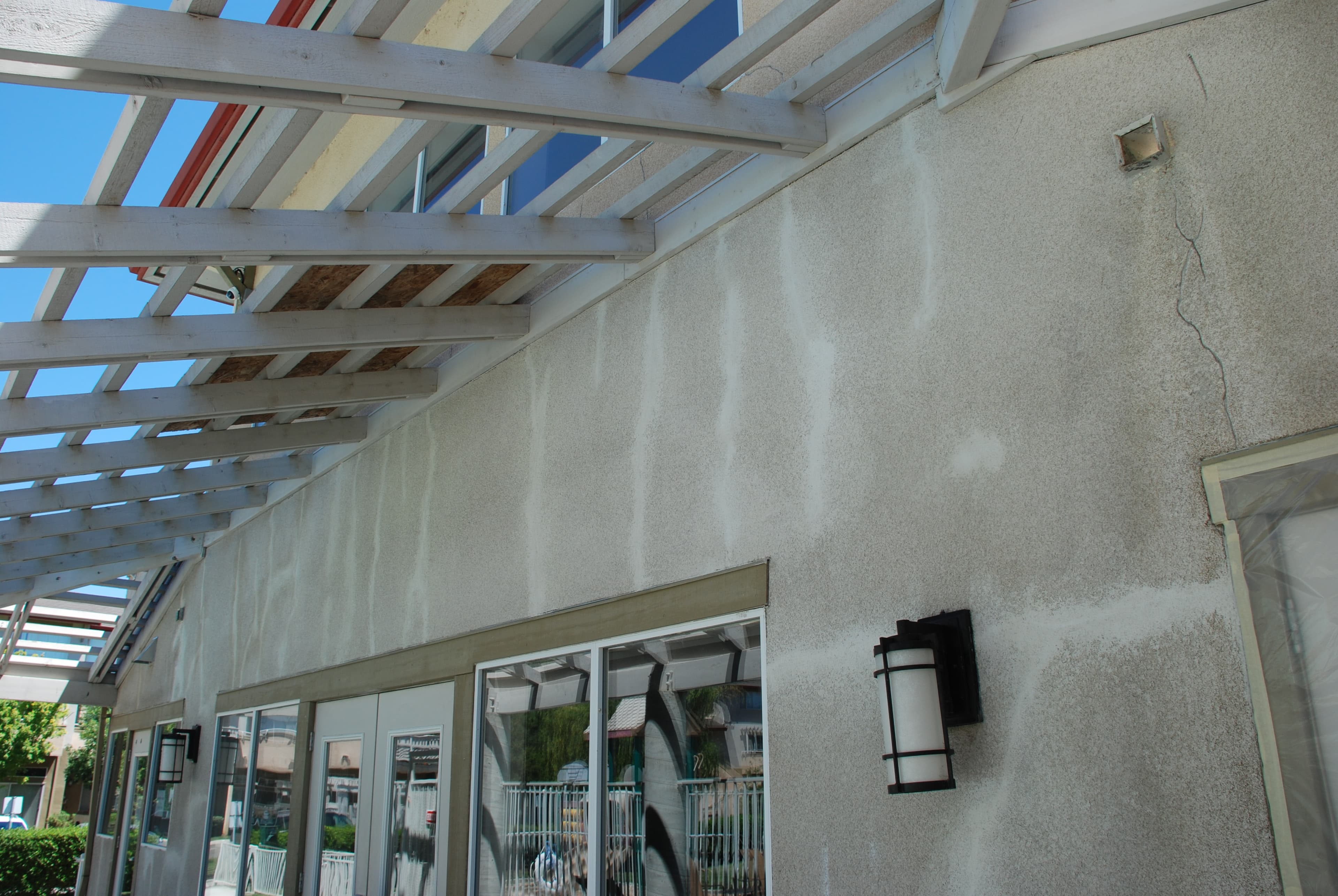
Usually not. Stucco expands and contracts, and a bead of caulk can fail as the wall moves. Caulked cracks can also remain visible after painting and may cover up the surface without correcting a deeper issue.
A lasting repair is more involved. The damaged area is opened and cleaned back to sound material, then repaired with compatible stucco products and a finish texture blended into the surrounding wall. If the evaluation points to water intrusion behind the stucco, that source needs attention too. HomePRO can investigate water leaks behind stucco and related dry rot when needed.
What does a proper stucco crack repair involve?
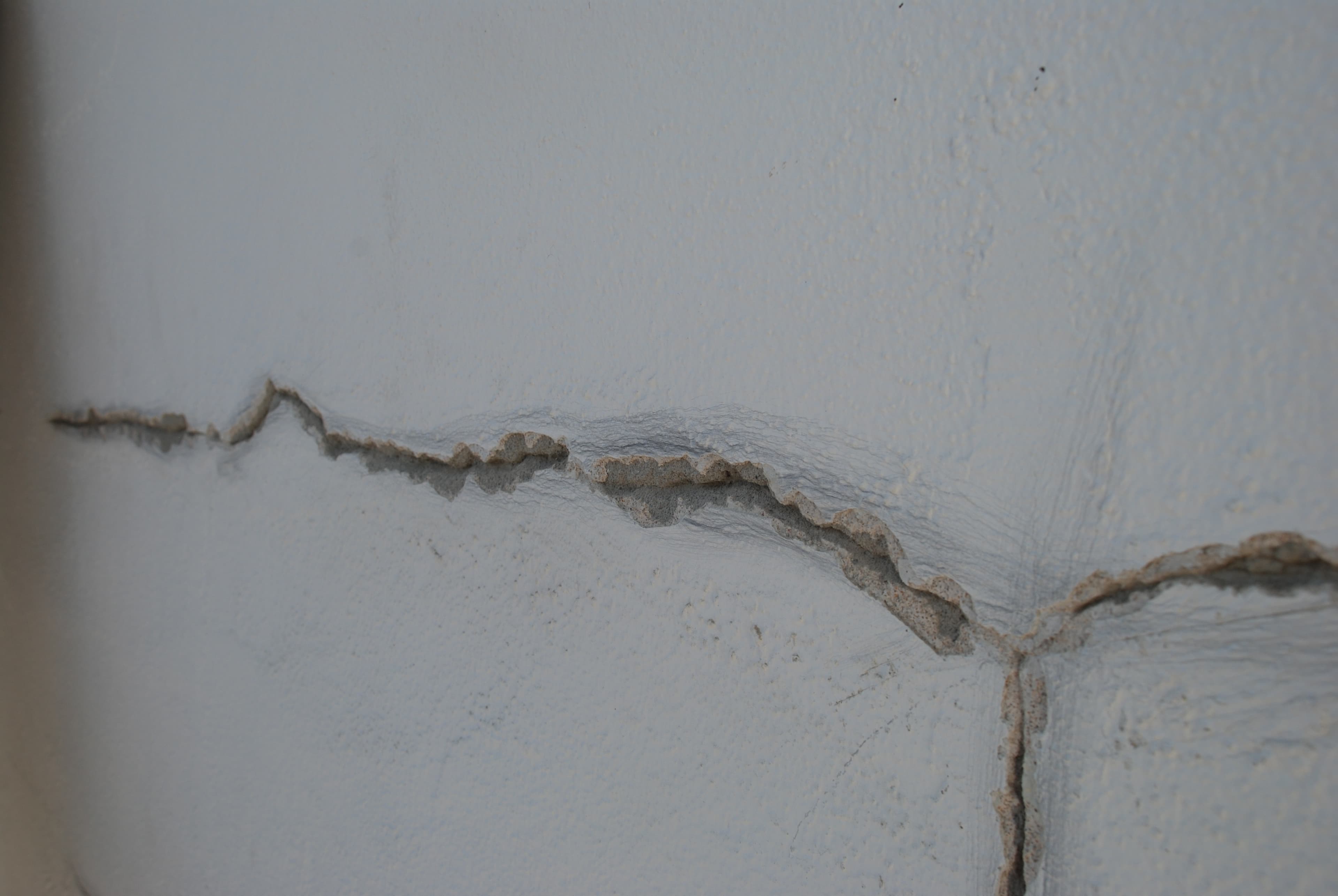
The exact method depends on the crack and the wall assembly. For a surface crack, the repair may include opening the crack, removing loose material, applying compatible repair materials, rebuilding the finish coat, and matching the existing texture. If there is evidence of water damage, the repair may also require opening the wall and correcting the moisture entry point before the stucco is restored.
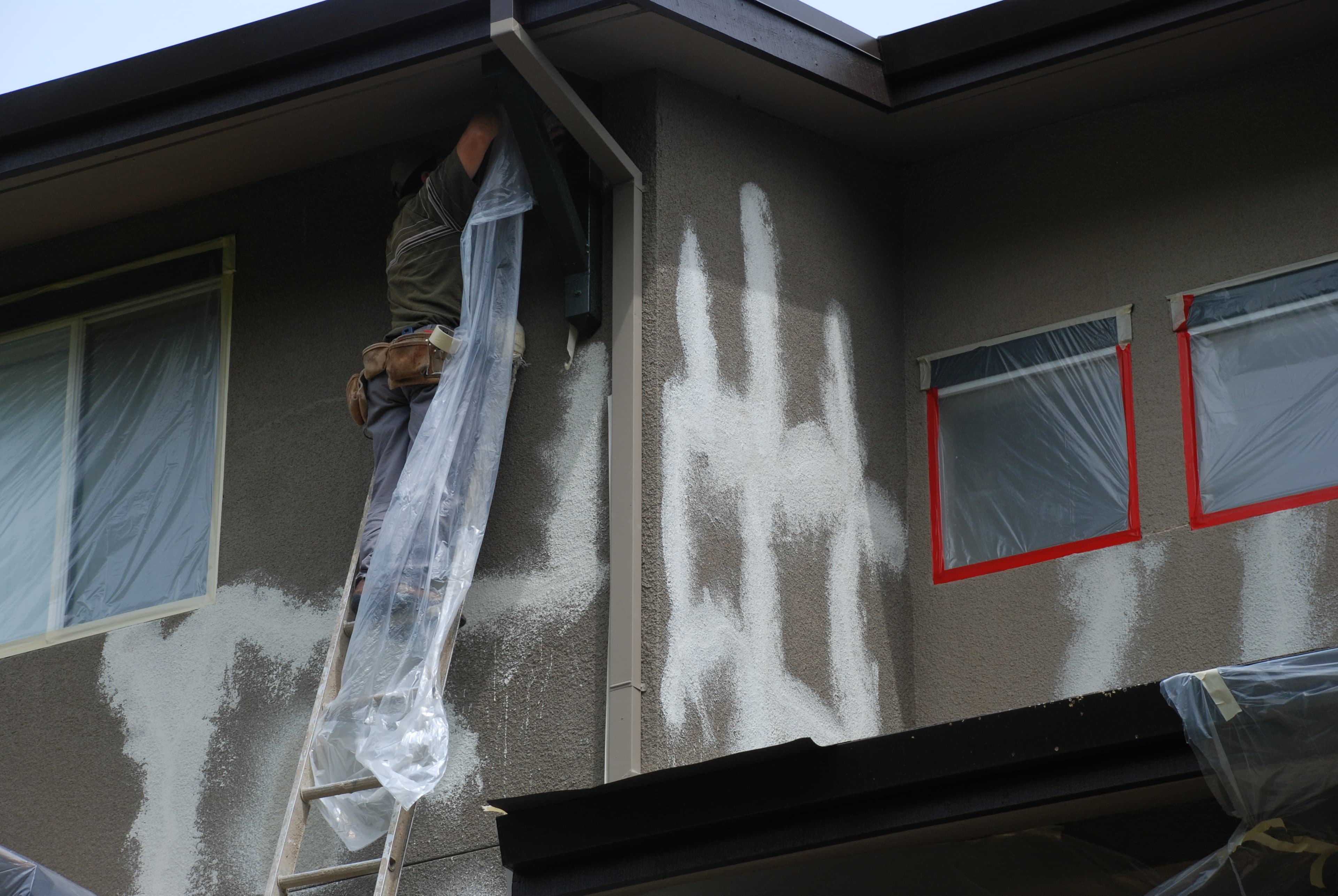
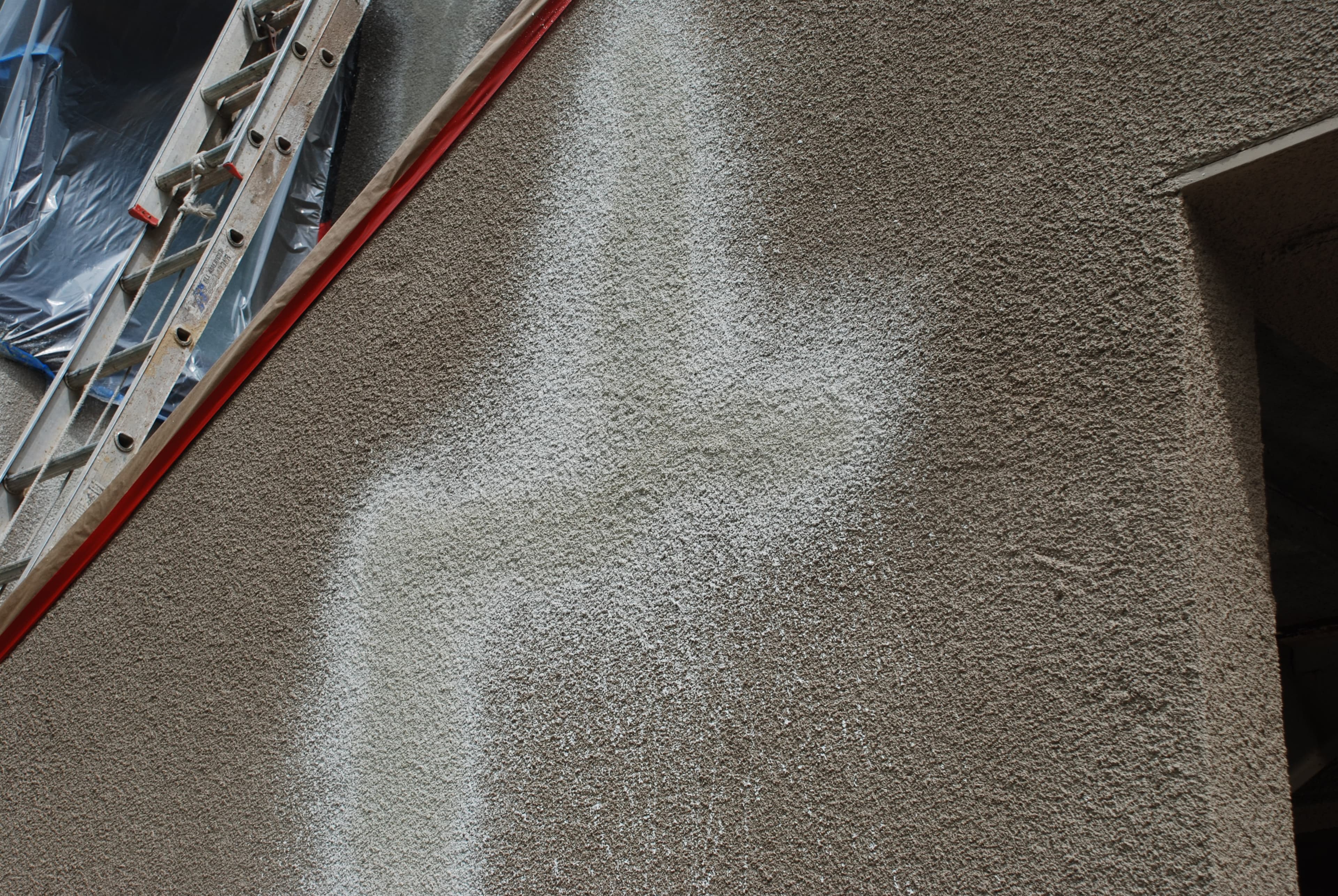
Matching the existing finish takes care and experience. A repair that skips preparation or texture blending can stand out or crack again. See examples of HomePRO stucco repair work or contact us for an on-site evaluation.
How much does stucco crack repair cost in Sacramento?
It depends on the crack, the size of the repair, the existing finish, and whether water has damaged materials behind the stucco. A small cosmetic repair is a different project from opening a wall, replacing damaged sheathing or framing, and rebuilding the exterior assembly.
The reliable way to price the work is to inspect the area and understand the scope first. HomePRO serves Sacramento and nearby communities including Roseville, Folsom, and Elk Grove.
When should I get a professional evaluation?
Monitoring a stable, fine hairline crack may be reasonable when there is no staining or other symptom. Arrange an evaluation if the crack is widening or stair-stepping, if you see discoloration or a soft area nearby, or if the room on the other side shows signs of moisture. It is also sensible to have stucco concerns checked before buying or selling a home.
A timely evaluation can help distinguish a small finish repair from a problem that needs more work. HomePRO has been diagnosing and repairing Sacramento-area stucco since 1996 (CSLB #722686), with in-house journeymen handling projects from evaluation through repair.
What to do next
If you have a crack you are unsure about, HomePRO can take a closer look and explain whether it appears cosmetic or needs further investigation. We will give you a clear assessment and discuss the options before recommending work. Schedule a free on-site stucco evaluation or call us to talk through what you are seeing.
Related services
Explore how HomePRO diagnoses and repairs the problems covered in this article.
What Sacramento homeowners ask us
Are hairline cracks around windows normal in stucco?
They are common because window and door openings concentrate movement in the stucco surface. A stable hairline crack without staining or other symptoms may be cosmetic, but changes in width, pattern, or nearby conditions can make an evaluation worthwhile.
How wide does a stucco crack need to be before I call someone?
Width is one clue, not a complete diagnosis. Cracks wider than about 1/16 inch deserve attention, and cracks around 1/8 inch or more, widening cracks, or cracks paired with staining or interior moisture signs should be professionally evaluated.
Can I just fill a window-corner stucco crack with caulk?
Caulk may temporarily cover a crack, but it often fails as stucco expands and contracts and can leave a visible line after painting. A lasting repair usually requires removing loose material, using compatible repair layers, and blending the finish; the cause should also be addressed if water is getting behind the stucco.
Do repeating horizontal or vertical cracks mean the wall has water damage?
Not on their own. Repeating patterns can be a clue about movement or conditions in the wall assembly, but they do not prove water intrusion. A specialist should consider the crack pattern together with staining, previous repairs, and any interior symptoms.
How much does stucco crack repair cost in Sacramento?
The cost depends on the crack, repair size, finish, access, and whether water has damaged materials behind the stucco. An on-site evaluation is the best way to determine whether the work is a small surface repair or a larger repair to the wall assembly.
Does HomePRO repair stucco cracks around windows and doors?
Yes. HomePRO evaluates and repairs stucco around windows and doors throughout the greater Sacramento area. If signs point to a leak or hidden damage, the team can discuss the appropriate investigation and repair scope.
Keep reading
All articles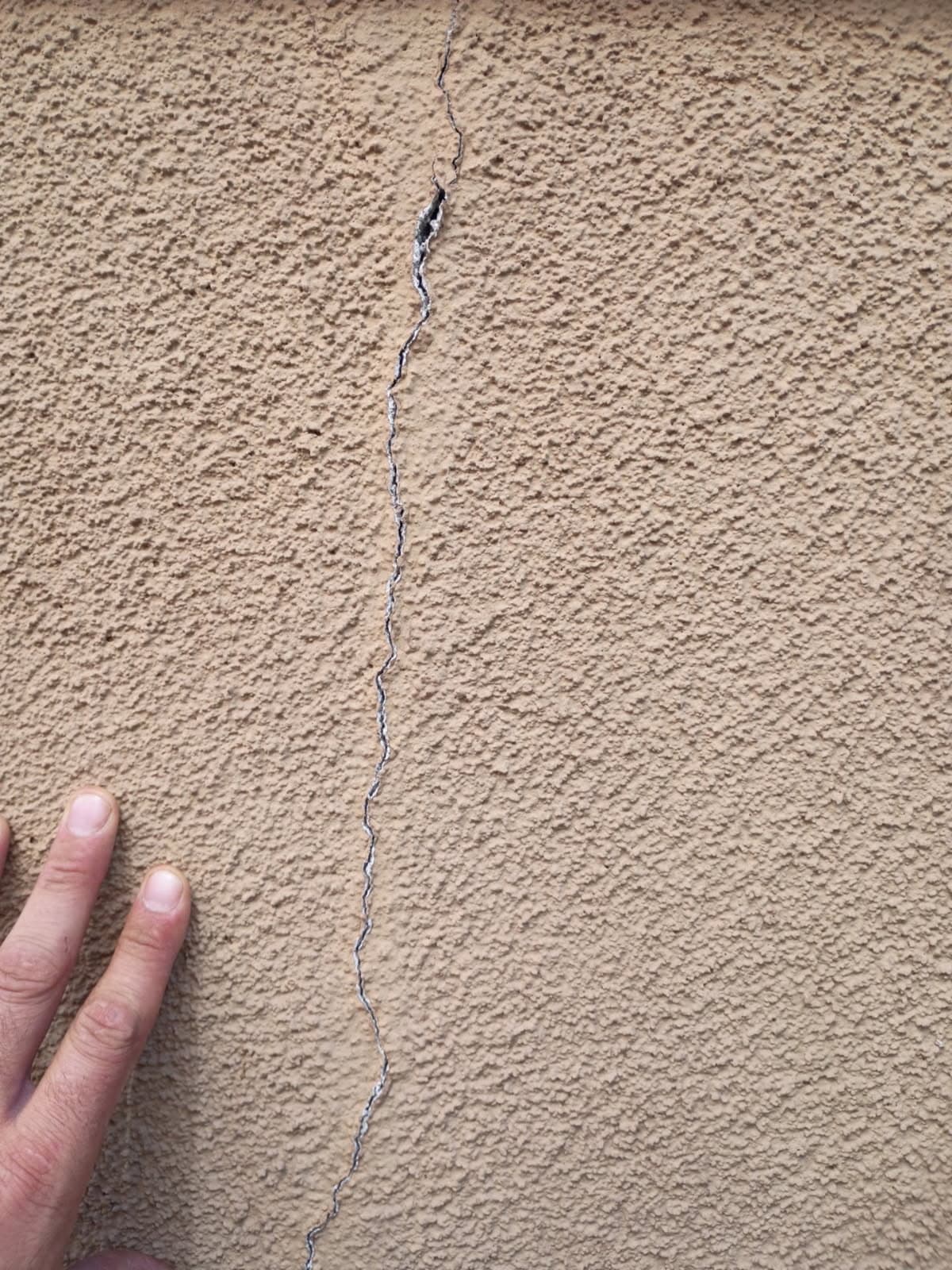 Stucco & Water Intrusion
6 min read
Is Your 1990s or Early-2010s Sacramento Home Due for a Stucco Checkup?
Sacramento tract homes from the 1990s and early 2000s are now old enough that the materials behind the stucco start to fail. Here is why this era of home deserves a closer look, and why September is the right time to get ahead of it.