
Is Your 1990s or Early-2010s Sacramento Home Due for a Stucco Checkup?
Sacramento tract homes from the 1990s and early 2000s are now old enough that the materials behind the stucco start to fail. Here is why this era of home deserves a closer look, and why September is the right time to get ahead of it.
Key takeaways
- Sacramento’s 1990s–early-2010s stucco homes are now 15–35 years old — exactly when hidden flashing and building-paper problems start to surface.
- The real water barrier is the paper and flashing behind the stucco, not the stucco itself, and it has a finite lifespan.
- A proper inspection goes well beyond a walk-around: it checks penetrations, sealants, and interior signs, and where warranted opens a small area to see the barrier directly.
- Catching a failed sealant or an early crack now is far cheaper than repairing dry rot later — hidden damage can run into the tens of thousands.
- September, before the fall storms arrive, is the ideal time to schedule a pre-storm-season inspection.
Why homes from this era need a closer look than newer construction
Sacramento saw a huge wave of tract-home construction through the 1990s and into the early 2000s, and many of those homes were built with stucco exteriors. Those homes are now old enough that the materials behind the stucco — not the stucco itself — are reaching the point where problems start showing up. With fall storms not far off, September is exactly the right time to get ahead of it rather than finding out the hard way in November.
During this time, thousands of homes were being built at the same time. There were not enough stucco companies and workers to keep up with the demand, which led to inexperienced people being hired for the work. They were also under pressure to complete the jobs faster. Unfortunately, this resulted in many mistakes regarding the flashing and building paper on these homes, and there was inadequate supervision to verify the flashing and paper were installed correctly before they were covered up by the stucco.
These problems usually become evident about 15 to 20 years later, which is past the 10-year warranty builders provide. Sealants, flashing, and the water-resistant barrier behind the stucco also have a finite lifespan, and homes from this era are now old enough that many are due, or overdue, for an inspection. Newer construction hasn’t had the same number of freeze-thaw cycles, sun exposure, and seasonal movement to work through yet.
What’s the typical lifespan of the water-resistant barrier behind stucco?
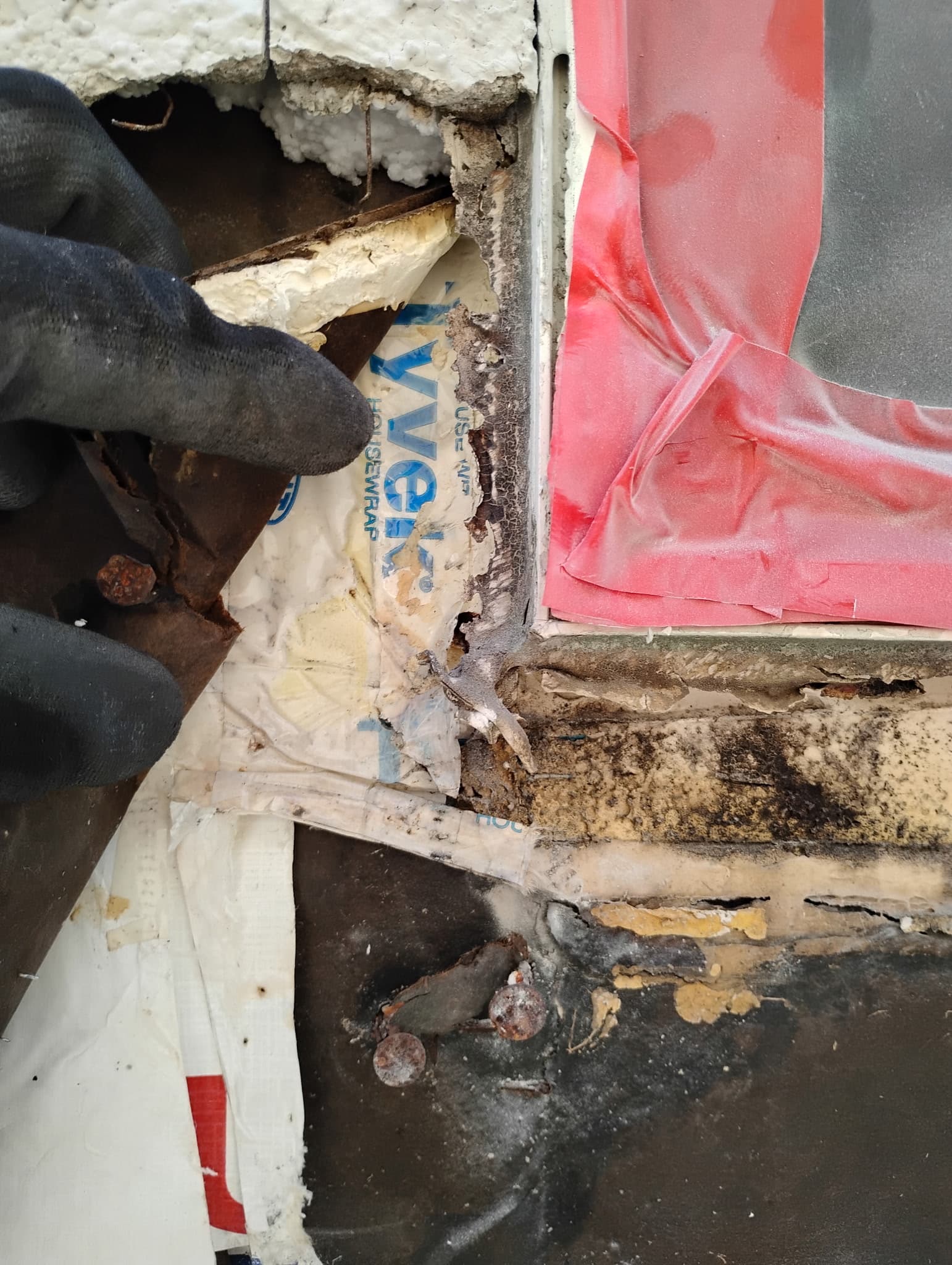
The barrier behind stucco — historically asphalt-saturated felt paper, and sometimes newer synthetic housewrap in later construction — is designed to last for decades, but its real-world lifespan depends heavily on how well it was installed, how much sun and moisture exposure the wall gets, and whether small breaches (nail penetrations, cracks, poorly sealed openings for pipes or vents) have let water reach it over the years.
A home in the 25–35-year range is squarely in the window where it’s worth confirming that barrier is still doing its job, rather than assuming it is.
What should a professional stucco inspection actually check?
A professional stucco inspection goes beyond a walk-around look at the exterior. At minimum, it should include:
- A visual survey of all stucco surfaces for cracking, staining, and separation, with particular attention to windows, doors, and other penetrations.
- A check of caulking and sealant condition at every penetration — pipes, vents, hose bibs, and light fixtures.
- An inspection inside the home around windows and doors to check for any signs of water intrusion.
- Attention to areas with limited eave overhang or heavy irrigation spray, which see disproportionately more water exposure.
- Where warranted, a small exploratory opening to check the condition of the water-resistant barrier directly — the same leak-source investigation we use on active leaks — rather than guessing from the outside.
- A review of past repairs to see if they were done correctly.
Can a stucco inspection catch problems before they show up inside the house?
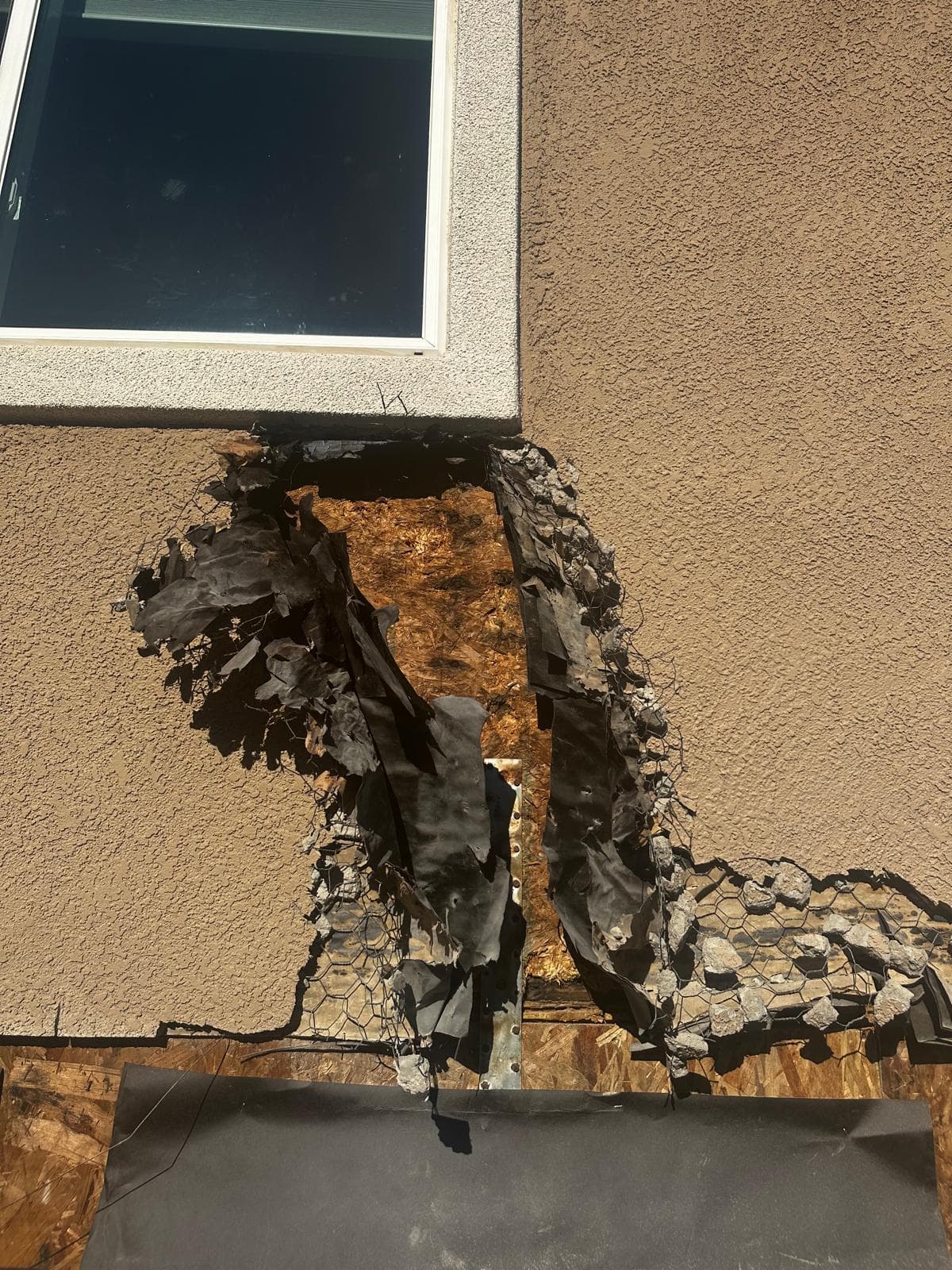
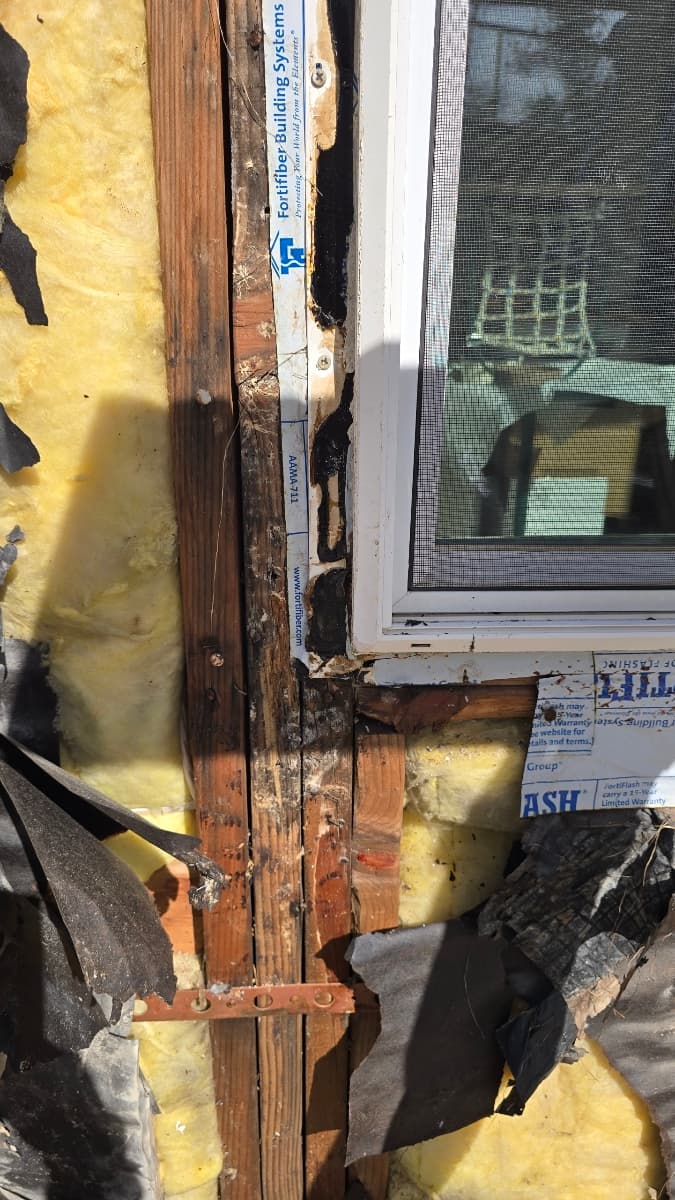
That’s the entire point of doing one proactively. By the time you see staining, bubbling paint, or a musty smell on an interior wall, water has typically been getting in for a while — sometimes years — quietly causing dry rot in the framing behind the stucco the whole time.
An inspection is aimed at catching the exterior warning signs — a failed sealant joint, a hairline crack with early staining, a barrier breach — before that moisture has had time to travel inward and turn into a much larger repair.
Getting ahead of the rain
None of this is meant to be alarmist — however, these types of problems can get into the tens of thousands of dollars to repair, and the goal of an inspection is to find problems before they become bigger and more expensive to fix.
HomePRO has been diagnosing Sacramento stucco and water intrusion issues since 1996 (CSLB #722686), and our process always starts with an honest evaluation rather than jumping straight to a “just re-caulk it” quote. We work throughout the region — from Roseville and Folsom to Citrus Heights and Elk Grove. If your home falls in that 1990s–2010s range and it’s been a while since anyone actually looked closely at the exterior, book a pre-storm-season inspection now, while there’s still time to address anything we find before the weather turns.
Related services
Explore how HomePRO diagnoses and repairs the problems covered in this article.
What Sacramento homeowners ask us
Is a stucco inspection useful before buying or selling a home?
Yes, and it’s one of the more common reasons we get called for this exact vintage of home. Stucco issues consistently come up in general home inspections, but a general inspector typically does not have enough experience to diagnose stucco problems properly. Sellers benefit from knowing what they’re dealing with before it becomes a negotiating point, and buyers benefit from a clear picture of the exterior envelope before closing rather than discovering a surprise repair bill afterward.
How much does a stucco or leak inspection cost, and what do I get from it?
Pricing depends on the size of the home and how thorough an inspection makes sense given its age and condition, which is why we scope it during the initial conversation rather than quoting blind. What you get at the end is a clear, documented picture of where your stucco and the barrier behind it currently stand — not a sales pitch, but an honest read on whether you’re in good shape, need a small preventive repair, or should plan for something larger before the rainy season really sets in.
How often should an older stucco home be inspected?
For a home in the 1990s–early-2010s range, a professional look every three to five years is reasonable, and sooner if you’ve noticed new cracks, staining, or a musty smell, or if heavy irrigation regularly hits the walls. Homes with limited eave overhang or a history of prior repairs sit at the more frequent end of that range. The point isn’t to inspect constantly — it’s to catch a failed sealant or an early crack while it’s still a small fix.
Do all stucco cracks mean water is getting into the wall?
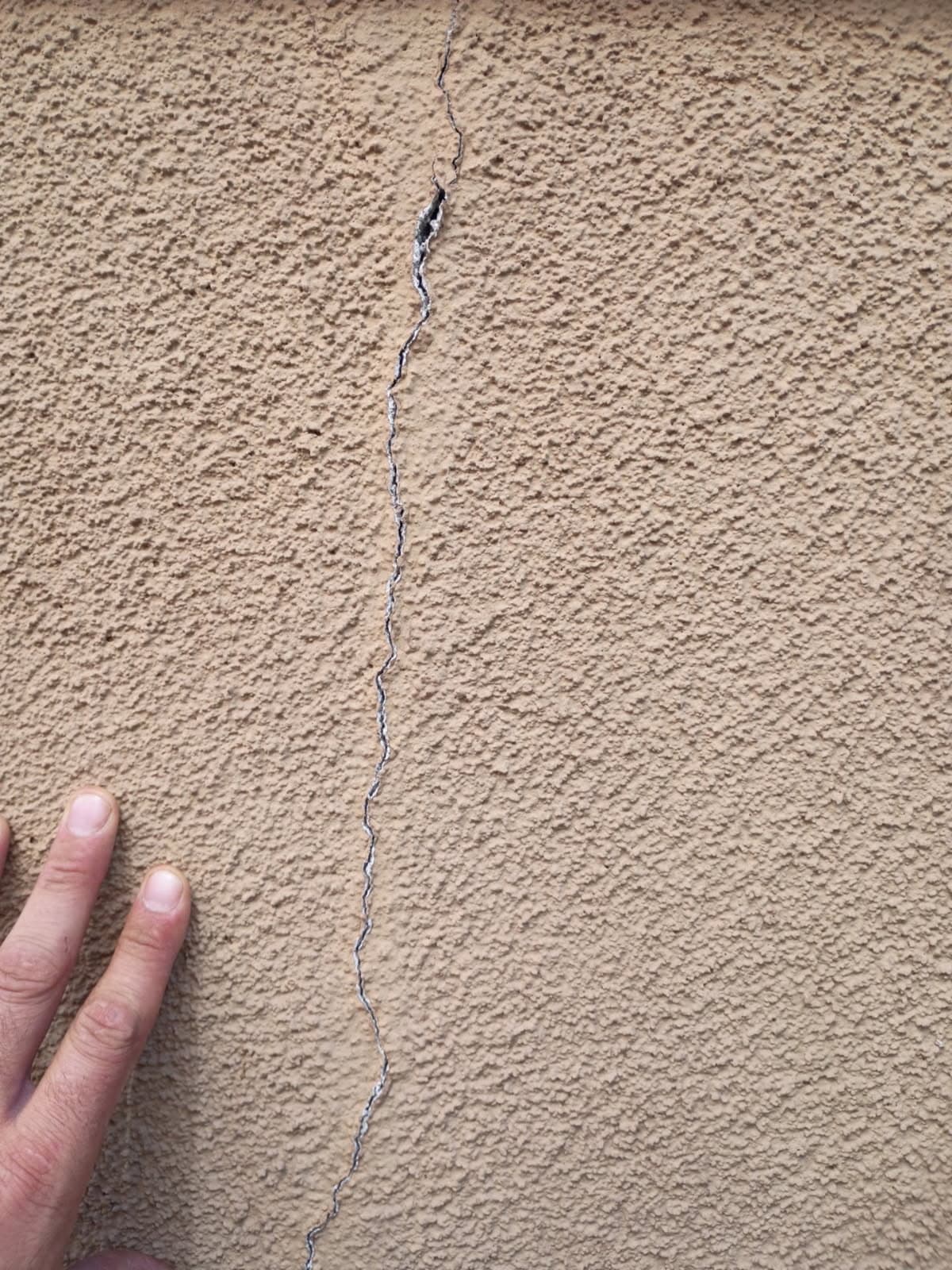
No. Fine hairline cracks are common as stucco cures and a home settles, and many are purely cosmetic. What deserves attention are cracks wider than about 1/16 inch, cracks running diagonally from window and door corners, and any crack paired with staining, rust, or efflorescence — those patterns can indicate that water is reaching the building paper and flashing behind the finish. When we inspect, we tell you honestly which cracks are cosmetic and which are worth acting on.
What happens if you find dry rot or water damage during the inspection?
Because HomePRO is a licensed General Contractor, the same team that diagnoses the problem can also repair it — from replacing damaged framing and sheathing to correcting the flashing and building paper and rebuilding the stucco with matching texture. You’re never handed a problem and left to find someone else to fix it. If what we find is minor, we’ll tell you that too, rather than upselling a repair you don’t need.
Why is September a good time to schedule this in the Sacramento area?
Sacramento’s wet season really arrives with the fall and winter storms, so late summer and early fall is the window where you can find and fix an exterior problem before rain starts driving water into any weak points. Scheduling in September means repairs can be completed while the weather is still dry and predictable, instead of scrambling after the first big storm reveals a leak inside the house.
Which Sacramento-area communities do you serve for stucco inspections?
HomePRO works throughout the greater Sacramento region, including Sacramento, Roseville, Rocklin, Folsom, Fair Oaks, Orangevale, Citrus Heights, Carmichael, Elk Grove, El Dorado Hills, and the surrounding communities. If you’re not sure whether your neighborhood is covered, our service-areas page lists the cities we regularly work in, or you can just call and ask.
Keep reading
All articles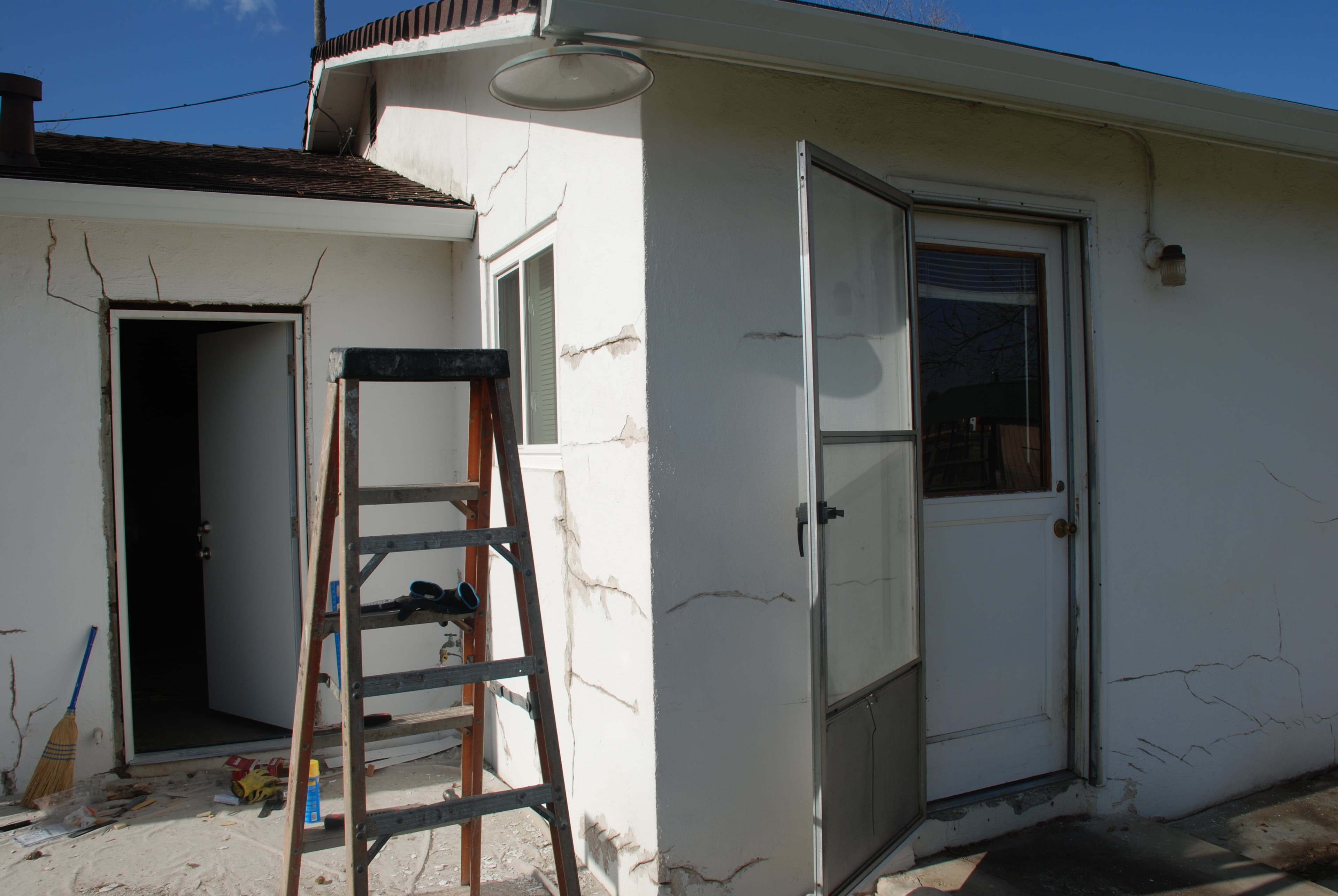 Stucco & Water Intrusion
8 min read
Stucco Cracks Around Windows and Doors: Which Ones Are Normal, and Which Could Mean Water Is Getting In?
Cracks often appear at window and door corners in stucco homes. Learn which patterns may be cosmetic, what warning signs to watch for, and why caulk is rarely a lasting repair.