
Dry Rot Behind Stucco: What It Costs to Fix and How Long It Takes
Our website receives many messages about leaks near windows or stains on ceilings. A homeowner recently asked for help with a stain spreading across their ceiling. Outside, the fascia board was soft and the paint was peeling off the window casings. Their question was simple: what is this going to cost, and how long will it take?
It's a fair question, and a lot of contractors dodge it. We won't. After a full inspection we will give you real numbers and tell you what moves them. We'll also tell you why nobody can give you an exact figure without looking at the wall.
How do we know if it's dry rot, mold, or both?
Sometimes it's both, and yes, it matters.
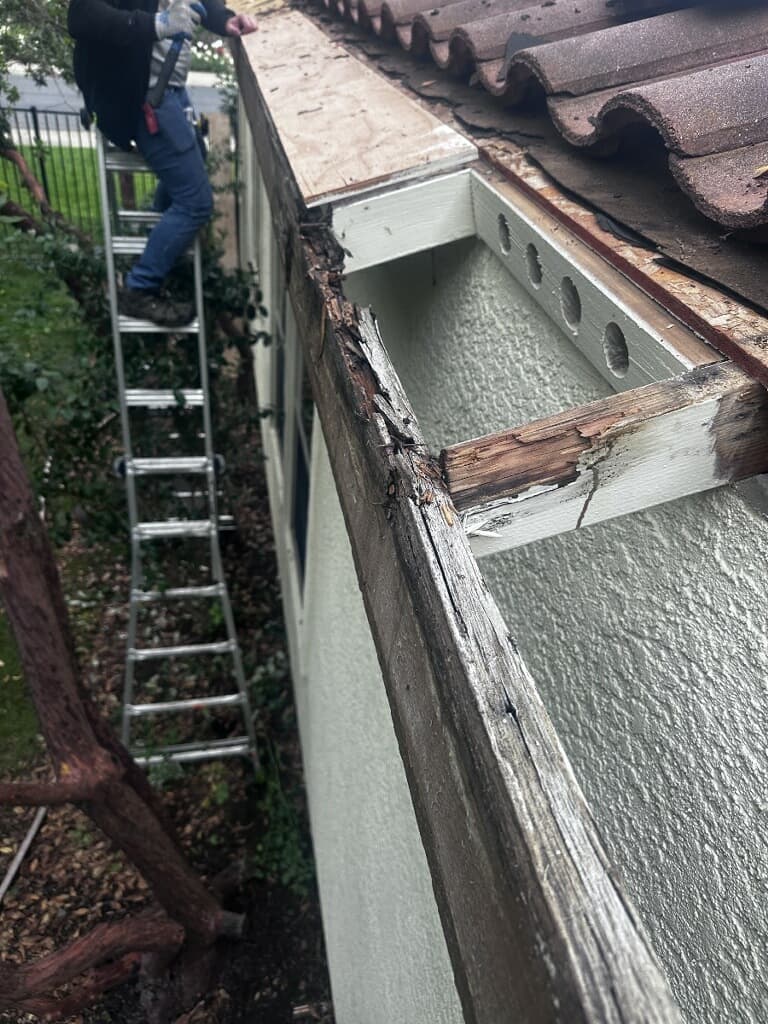
Dry rot is a fungus that eats the wood itself. Wet framing, sheathing, fascia and window trim go soft, crumbly and brown, and the wood often cracks across the grain like a cube. Mold grows on surfaces where there's moisture. You'll see it as black, green or white patches, usually on drywall, insulation or the back of the sheathing.
You can usually spot the early signs from inside the house:
Ceiling or wall stains that come back after painting
A musty smell, especially after rain
Paint bubbling or peeling near windows
Trim or fascia that gives when you press on it with a screwdriver
The difference matters because they're fixed differently. Mold on a surface gets cleaned and treated. Rotted wood has to come out and be replaced. If a contractor tells you they can spray something on rot and call it done, find another contractor. Rot doesn't heal.
What causes dry rot behind stucco?
Water gets in, and it can't get back out.
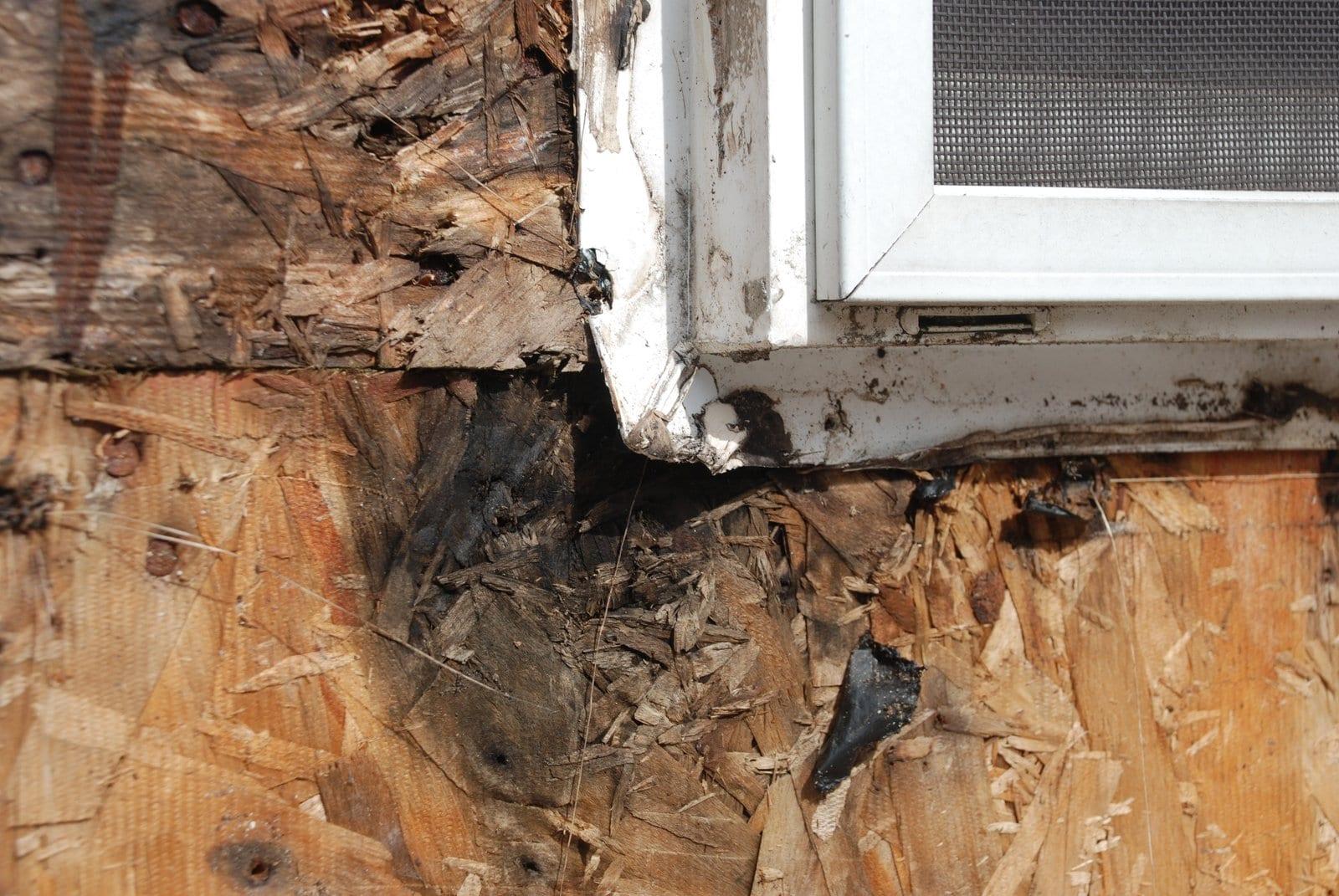
Stucco itself is a tough material, but it's the details around it that fail. On the homes we work on most in the Sacramento area, built from the 1990s into the early 2000s, the usual culprits are:
Window and door flashing that was installed wrong or never installed
Caulk that has dried out and cracked at the trim
Cracks in the stucco that let rain in
Roof-to-wall transitions with no proper kickout flashing
Sprinklers hitting the wall every morning
Stucco that was packed down against concrete or soil, with no gap at the bottom
A little water getting in isn't the problem. The problem is that stucco holds it. A wall that stays damp for a couple of years is the perfect place for rot to start, and you won't see any of it from the street.
Can dry rot spread to parts of the house that look fine?
Yes. This is the part that catches people off guard.
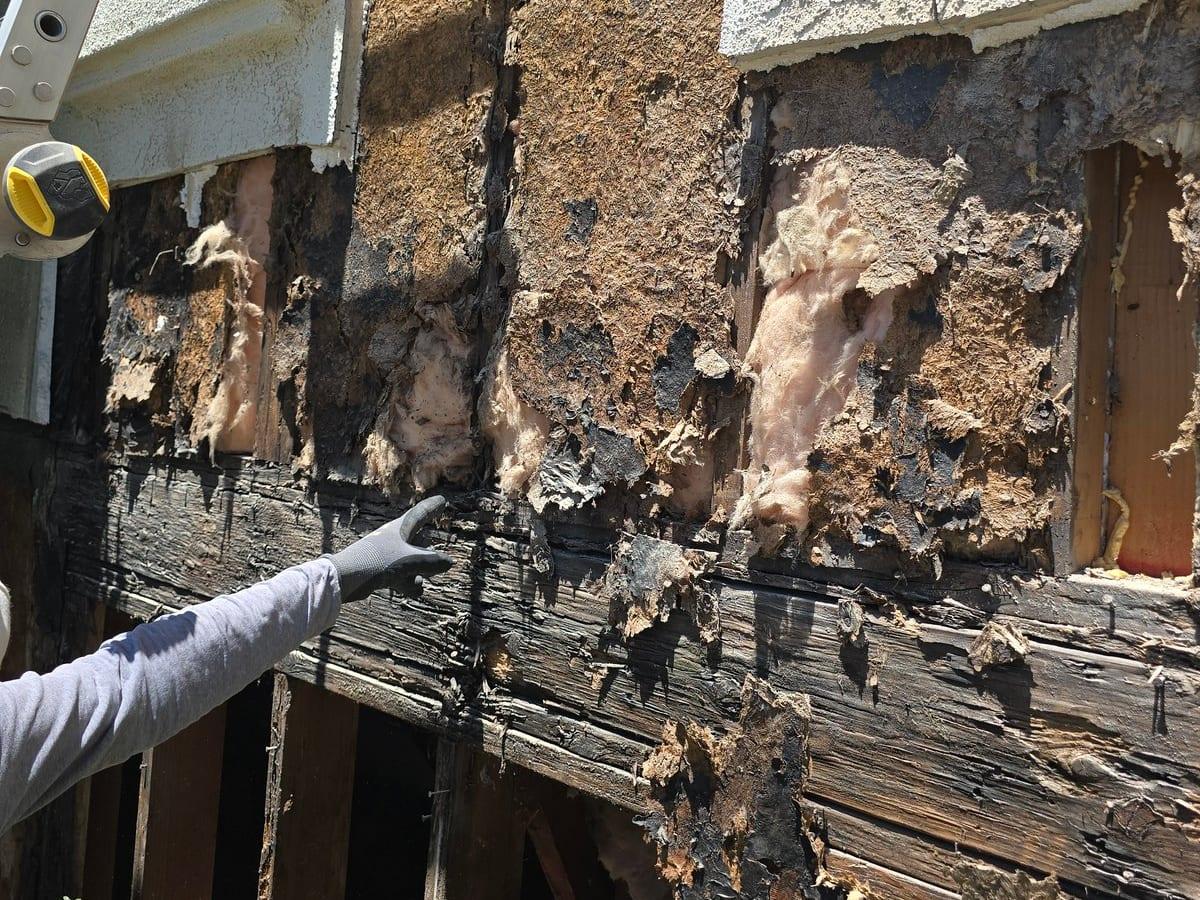
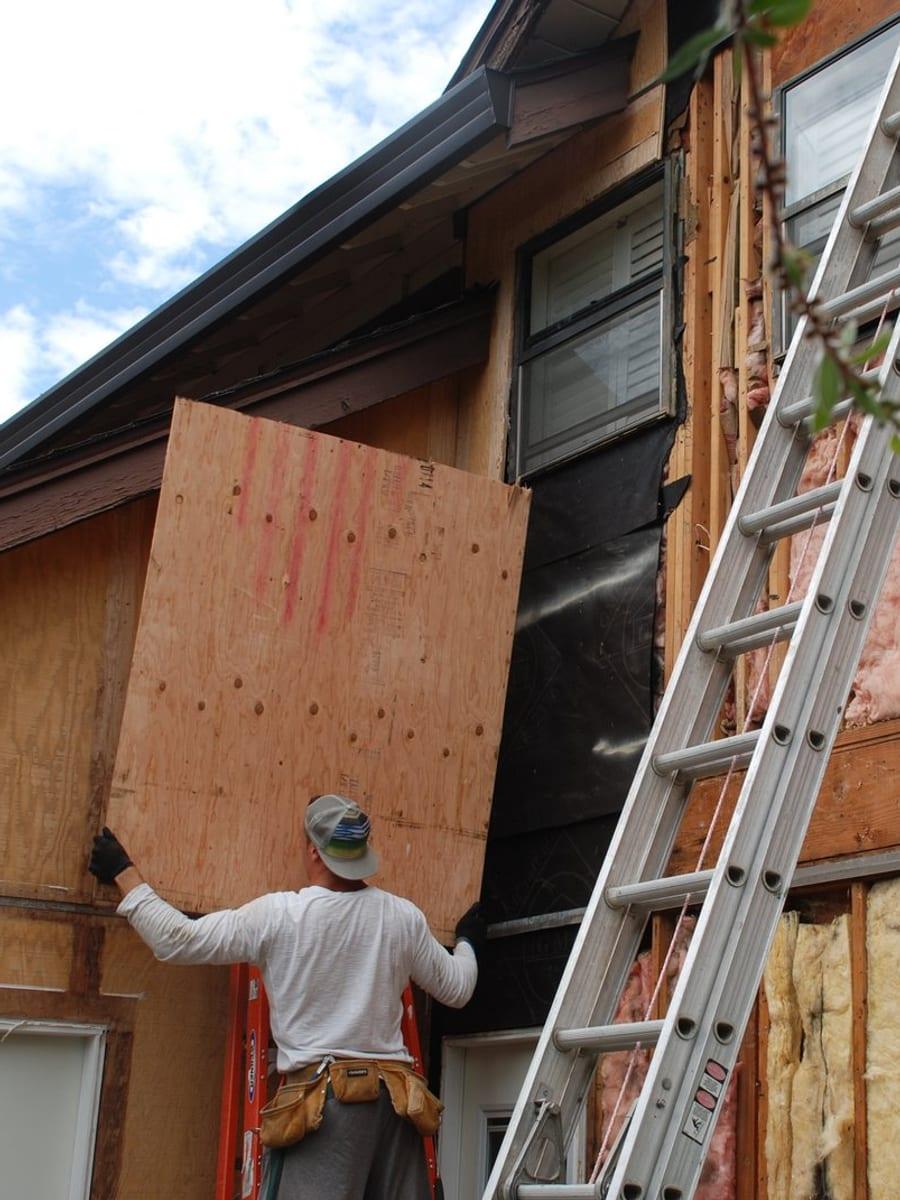
Rot follows the moisture and the wood. Water that enters at a window can run down inside the wall, soak the bottom plate, and travel along framing into a neighboring wall or up into the ceiling. We've pulled off a small section of stucco to chase a window problem and found the damage running six, eight, even ten feet past where the homeowner saw anything wrong.
Dry rot fungus can also move through damp wood and into nearby dry wood if conditions are right. That's why we always check past the visible damage. If we only fix the soft spot you can see, we're leaving the cause and the rest of the problem behind the wall.
What does dry rot repair cost?
Anyone who gives you a flat price over the phone is guessing, and guessing can go either way. The honest answer is that the price depends on what's behind the wall, and we can't know that until we open it up or probe it. That's why every estimate we do starts with an on-site scope.
Here's what pushes the number up or down:
How much is hidden. This is the biggest factor by far. A wall that looks like it has a two-foot problem sometimes has a twelve-foot problem.
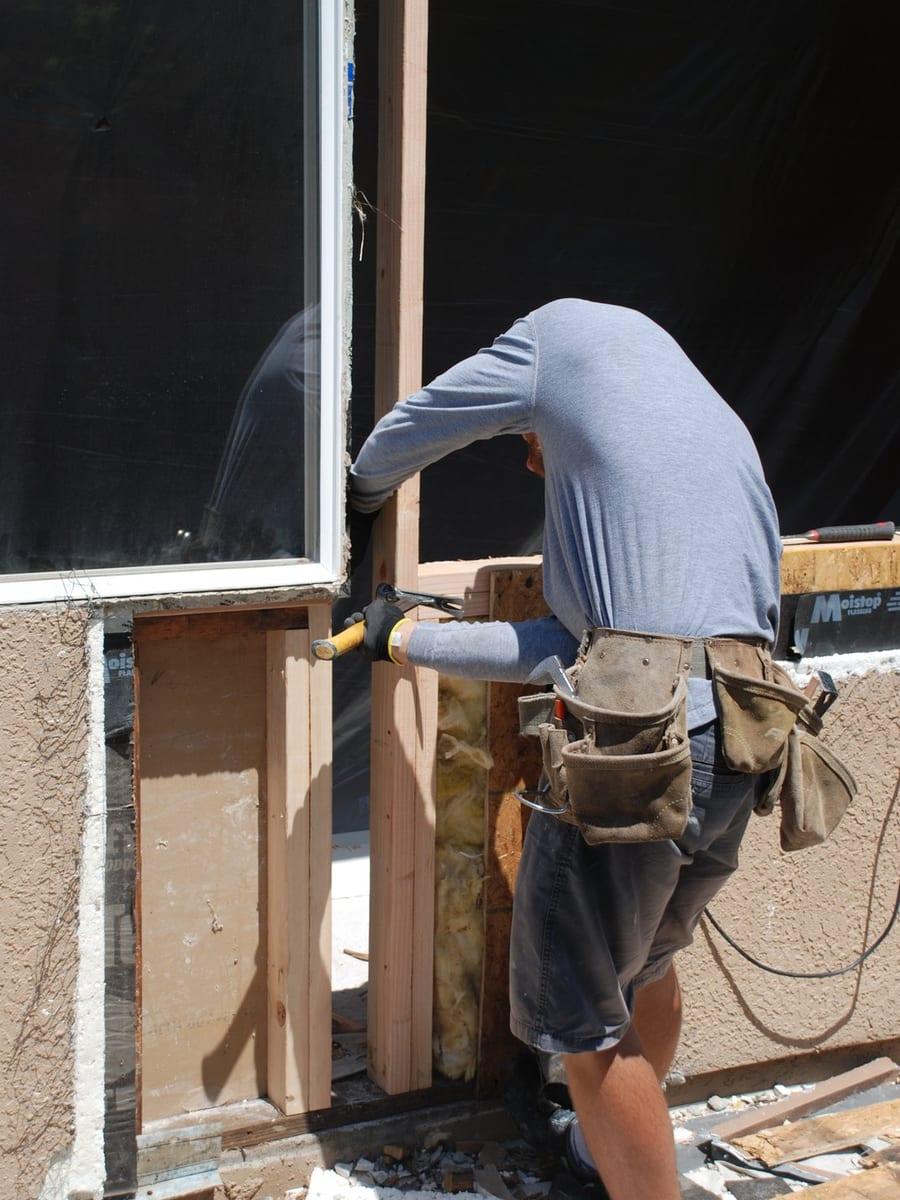
How many trades are involved. A real repair isn't one job. It's demolition, framing, sheathing and weather barrier, new stucco, and paint. If the leak got inside, add drywall, insulation and interior paint. Each of those is a separate set of hands and affects the cost.
Whether we fix the source. If the leak is from bad flashing or a roof problem, that has to be repaired too, or you'll be paying for the same repair again in five years. Our Water Leak Detection & Repair page explains how we track a leak down.
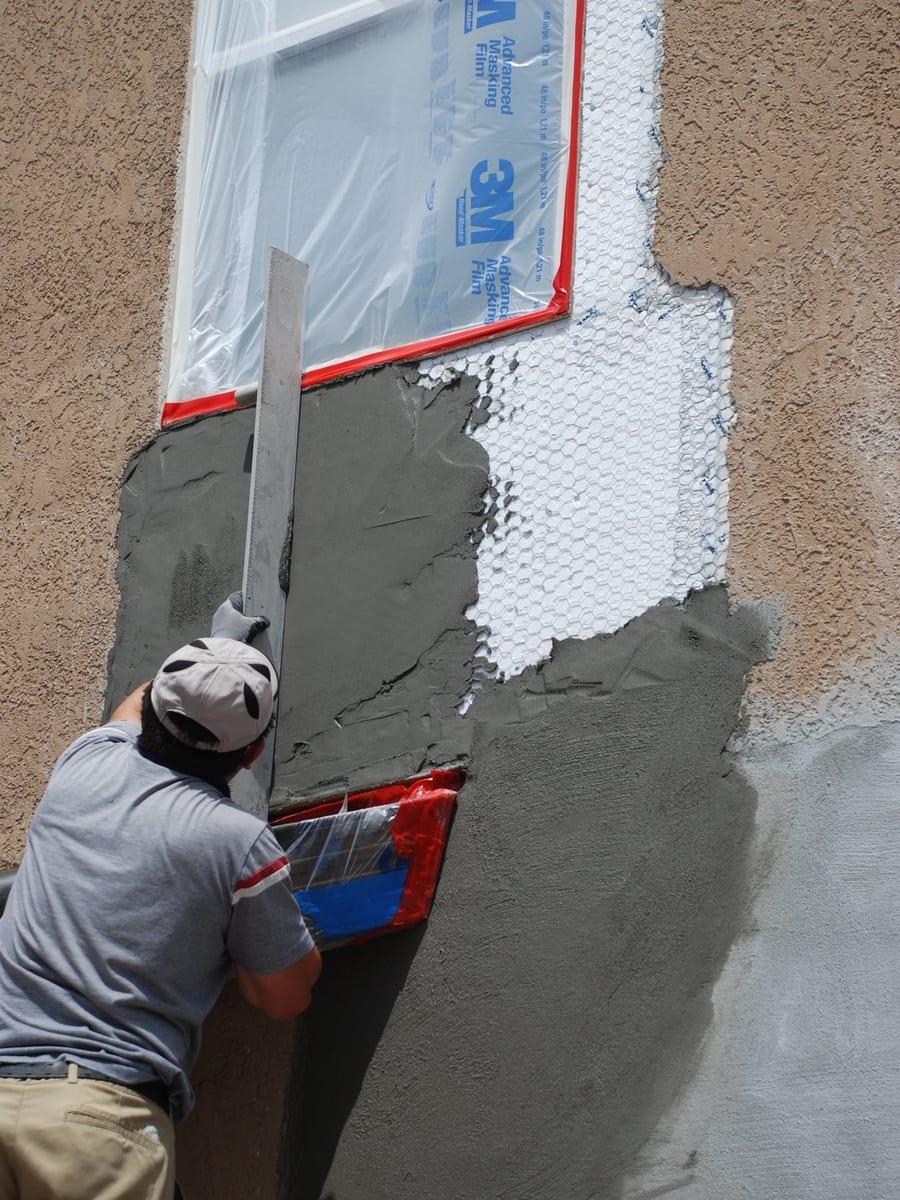
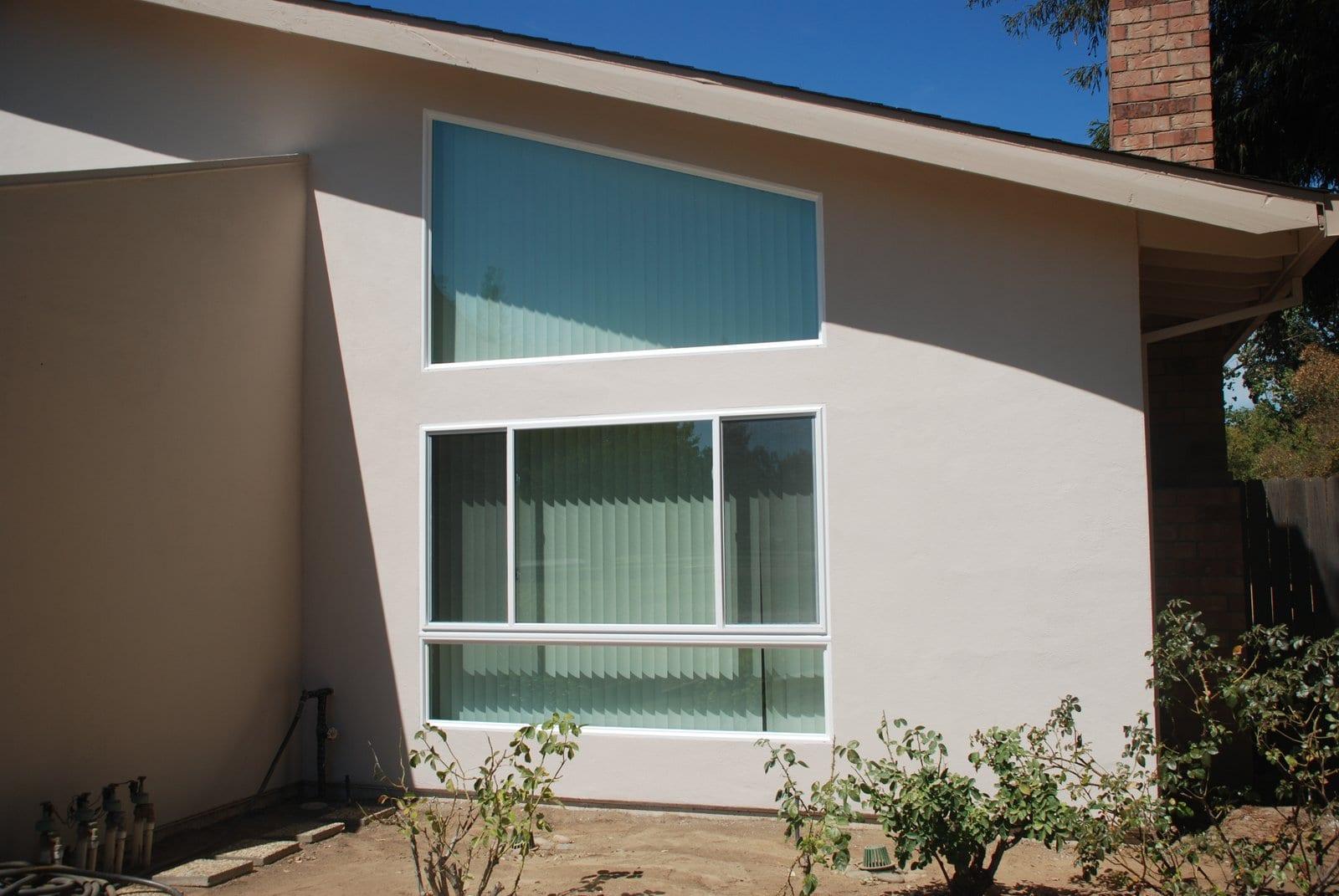
Stucco and paint matching. Matching an old stucco texture and color is a skill. A patch that sticks out like a bandage costs less up front and bothers you for years. Doing it right takes more time.
Access. A single-story wall with clear access is simpler than a second-story wall that needs scaffolding.
If you want more detail on what we repair and how, our Dry Rot Repair page walks through it.
How long does a project like this take?
For a typical single-wall repair, expect about one to three weeks from the day we start. Larger jobs run longer. Here's how it usually goes:
Estimate and scope. We come out, look at the damage, probe the wall and take photos. Then you get a written estimate.
Scheduling. Depends on our calendar and yours, and on whether materials need to be ordered.
Demo and drying. We cut out the stucco and remove the wet or rotted material. If the wall is wet, it needs time to dry before we close it up. We won't wrap in moisture.
Framing and sheathing. New lumber goes in, then sheathing and weather barrier.
Stucco. This is the slow part. Stucco goes on in coats, and each coat needs to cure before the next.
Paint. Color-matched once the stucco has cured enough to take it.
Weather matters too. A rainy week in Sacramento can add days. We'd rather tell you that up front than promise a date we can't keep.
Will insurance cover dry rot or mold from a leak?
Most homeowners policies cover water damage that is sudden and accidental, like a burst pipe. They usually don't cover damage that built up slowly over time, and dry rot almost always falls in that second group. Insurers often call it "long-term seepage" or maintenance-related. Mold coverage is often limited or excluded altogether.
Every policy is different, so call your agent and read your policy. If you believe a specific event caused the damage, such as a pipe failure, document it with photos and call your insurer before you start repairs. We're happy to provide a written scope and photos of what we find to support your claim, but we can't promise how a claim will go.
Don't wait on this one
The cost of dry rot goes in one direction. A fascia board that costs a few hundred dollars to replace today can turn into a major repair next year, and a wall repair after that. Water doesn't take a break.
If you're seeing stains, soft trim, peeling paint or a musty smell, have someone look at it.
Want a written estimate with a clear scope? We'll come out, look at the damage, and give you a written estimate that spells out what we're fixing, what we're not, and what it costs. No vague numbers, no surprise add-ons. Request your estimate here or call us at (916) 962-2020.
Related services
Explore how HomePRO diagnoses and repairs the problems covered in this article.
Keep reading
All articles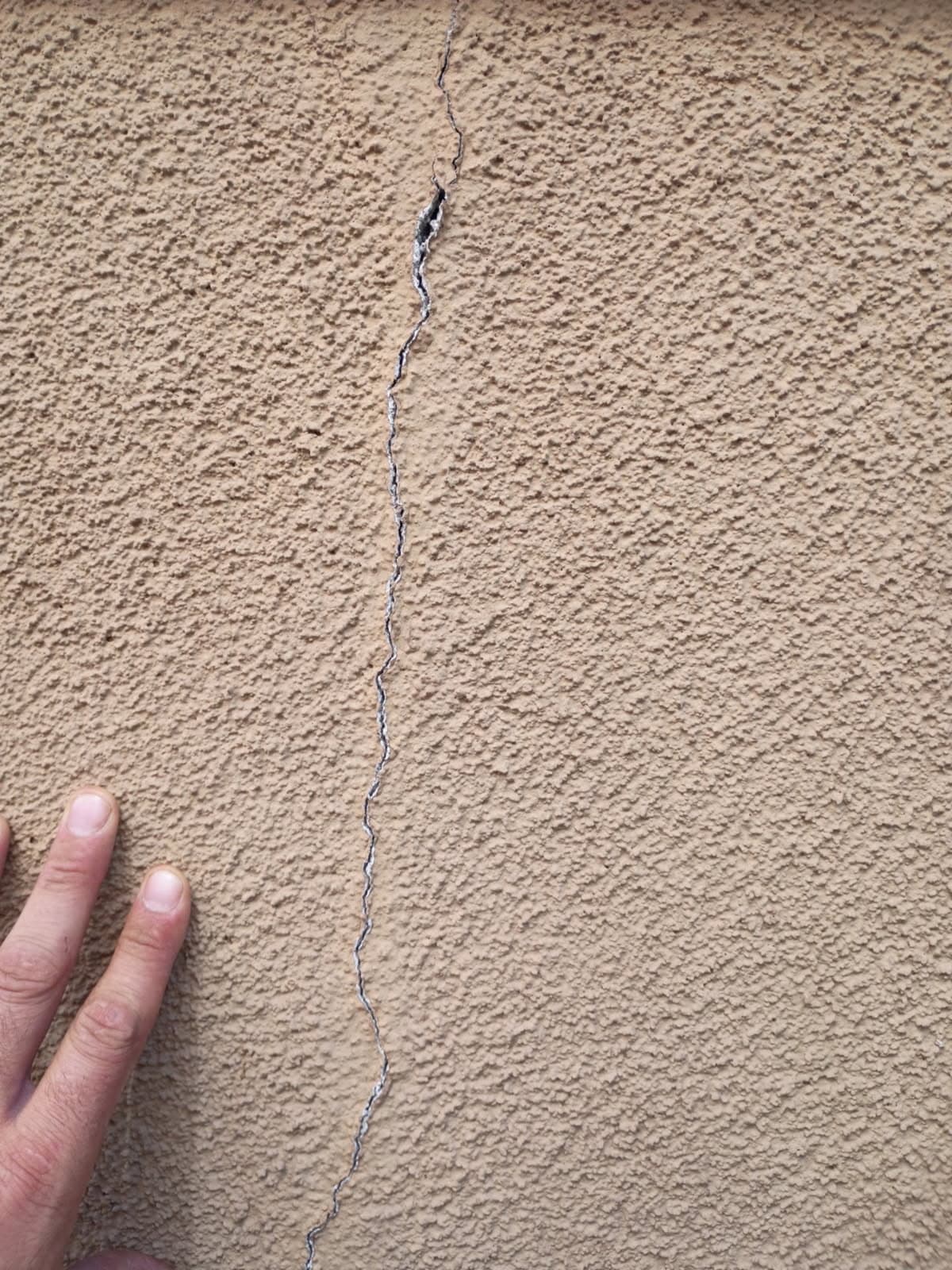 Stucco & Water Intrusion
6 min read
Is Your 1990s or Early-2010s Sacramento Home Due for a Stucco Checkup?
Sacramento tract homes from the 1990s and early 2000s are now old enough that the materials behind the stucco start to fail. Here is why this era of home deserves a closer look, and why September is the right time to get ahead of it.
 Stucco & Water Intrusion
5 min read
Stucco Cracks Around Windows and Doors: Which Ones Are Normal, and Which Ones Mean Water Is Getting In?
Some cracking around windows and doors is normal and cosmetic, and some is a sign of more serious issues behind the stucco. Here’s how to tell the difference.
 Stucco & Water Intrusion
5 min read
Sacramento's First Storms Are Here: The Stucco Warning Signs Homeowners Miss Every Fall
What to check on your stucco home after Sacramento's first big storm: 8 warning signs of a leak, when to call someone, and when it can wait.