
Sacramento's First Storms Are Here: The Stucco Warning Signs Homeowners Miss Every Fall
Every fall it goes the same way. We get a dry summer, then the first real storm blows through, and within a couple of weeks our phone starts ringing. Somebody has a stain on a bedroom ceiling. Somebody else notices the paint bubbling by a window. Almost nobody calls before they see something inside the house, and by then the water has usually been getting in for a while.
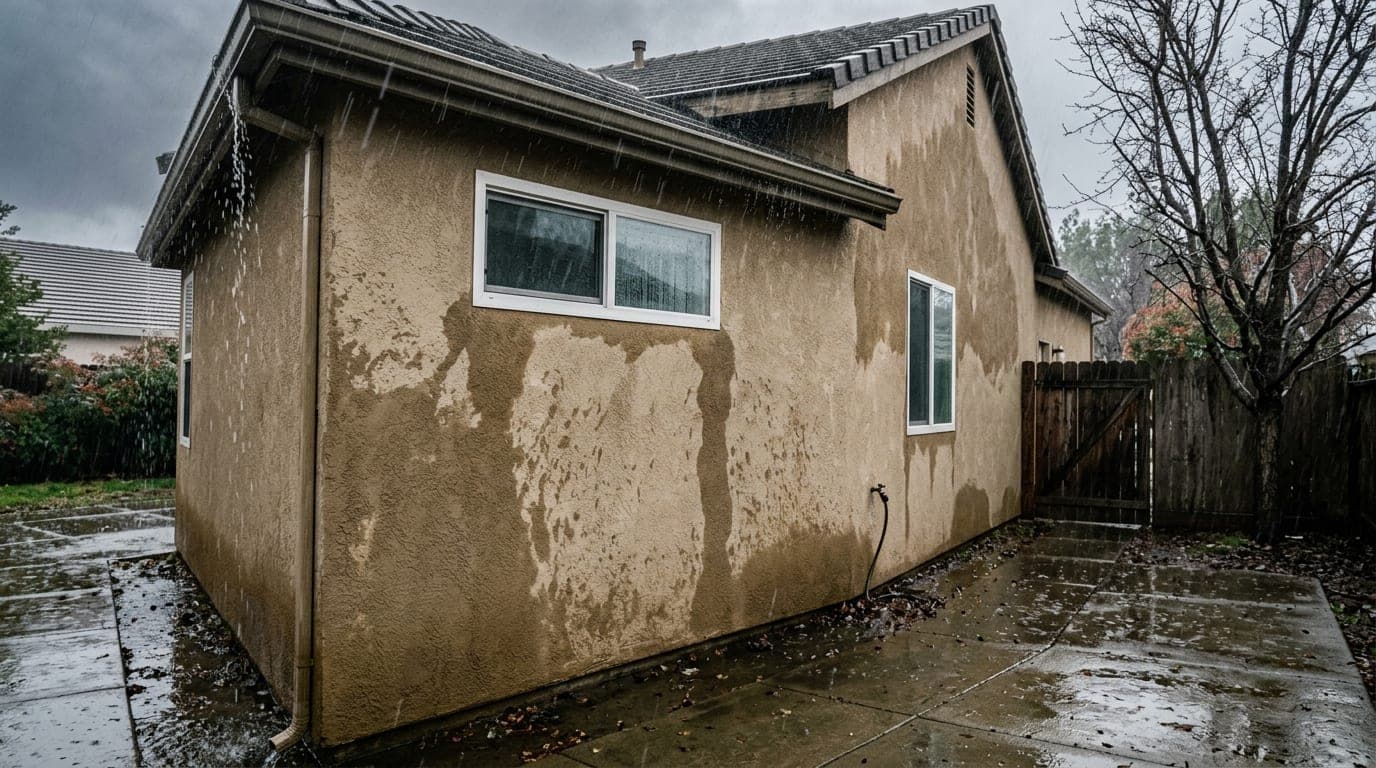
Here in Sacramento, the wet season generally runs from October through the following spring, and most of the damage comes from a handful of big storms, the atmospheric river kind, where heavy rain gets pushed sideways by wind. Stucco homes take that hard. Rain doesn't just fall on the walls, it gets driven into every seam, gap and crack on the windward side.
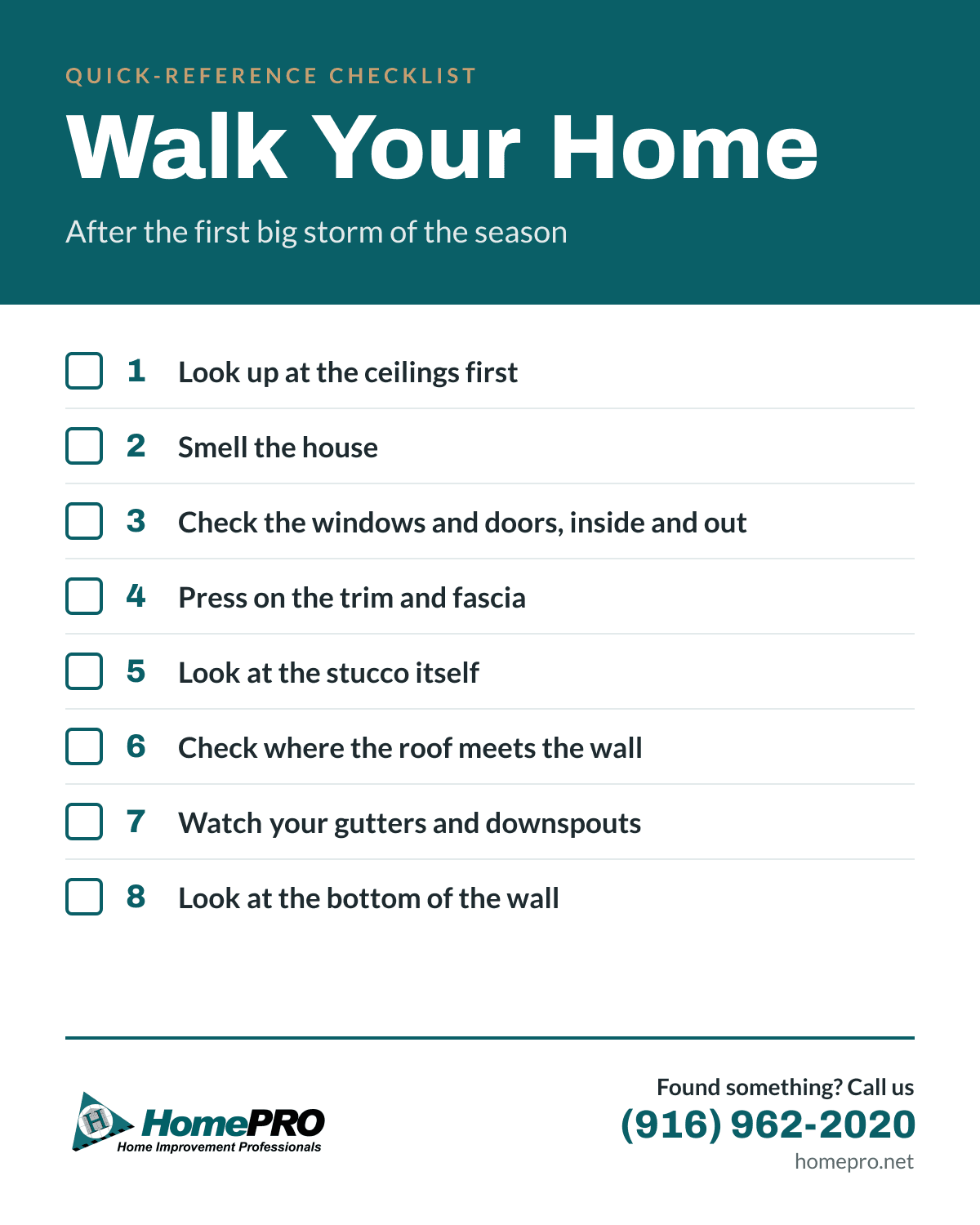
So after the first big storm, take some time to walk around your house. Here is what we'd check, in the order we'd check it.
The 8-Point Walk-Around
1. Look up at the ceilings first.
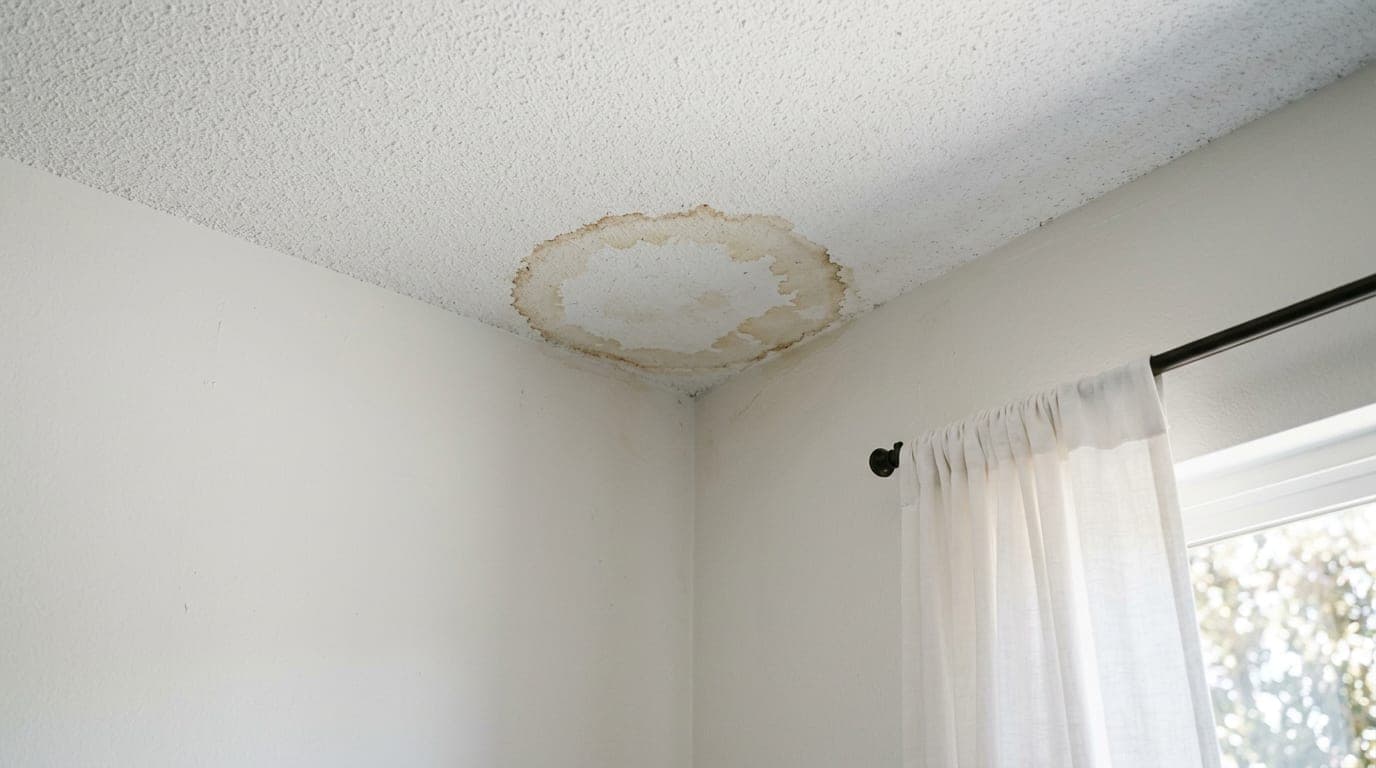
Before you go outside, check the ceilings and the tops of walls in every room, especially bedrooms, closets and anything under a roofline. A faint yellow or tan ring is the early sign. Fresh drywall stains are usually brown at the edge and lighter in the middle. If you see one, take a photo with today's date on your phone so you can tell later whether it's growing.
2. Smell the house.
A musty or damp smell, especially in a closet or along an exterior wall, is worth taking seriously. It's often the first thing people notice, and it usually means something is wet that shouldn't be.
3. Check the windows and doors, inside and out.
Windows are where many stucco leaks start. Look at the corners of the frame for staining, peeling paint, or drywall that looks wavy or soft. Outside, look for cracked caulk and hairline cracks running off the corners of the window.
4. Press on the trim and fascia.
Take a screwdriver and press gently on the window casings, door trim and the fascia board under the roof edge. Solid wood pushes back. Wood that gives, feels spongy, or crumbles is rotting. This takes about a minute and tells you a lot.
5. Look at the stucco itself.
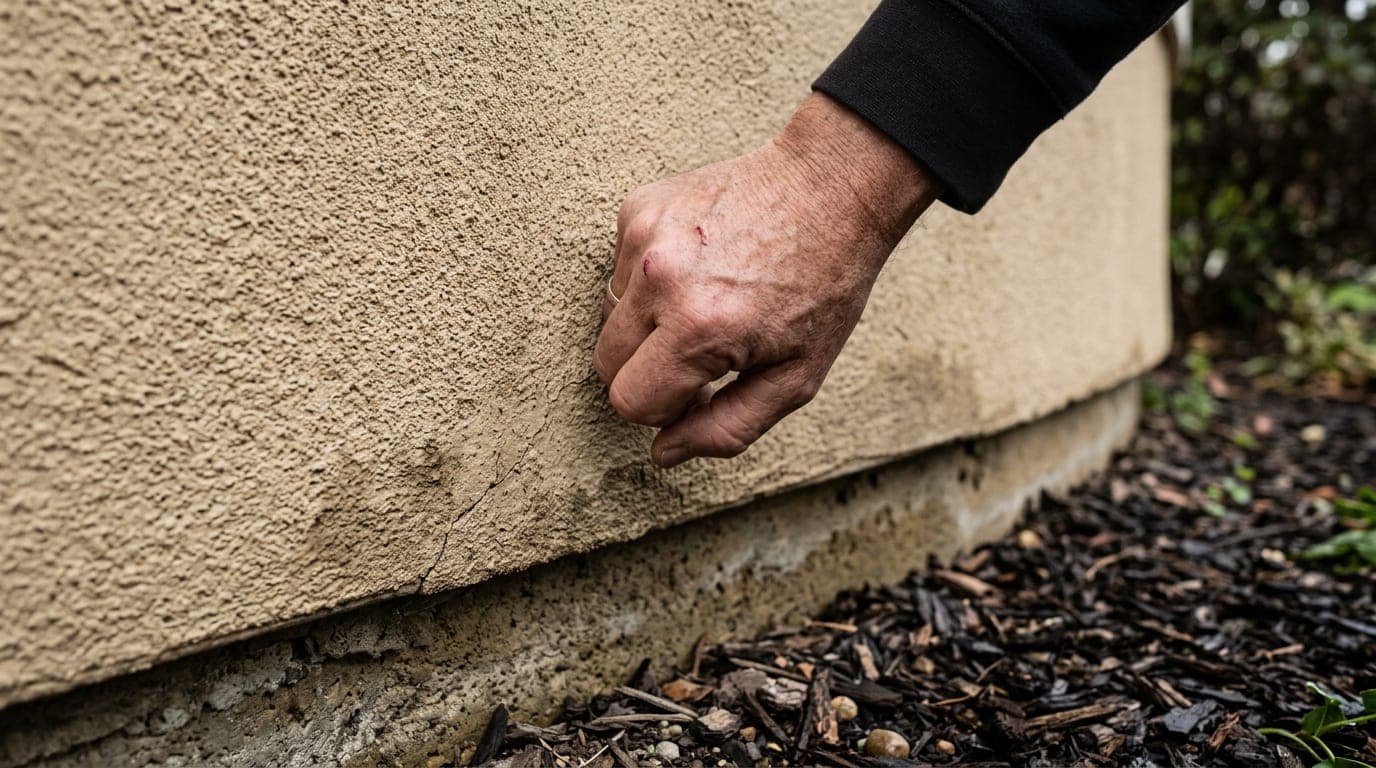
Walk the whole house and look for cracks, bulges, and dark or damp patches that are still wet a day or two after the rain stops. Tap along lower walls with your knuckles. A hollow sound can mean the stucco has separated from what's behind it. Pay special attention to the side of the house that took the wind.
6. Check where the roof meets the wall.
This is the spot most homeowners never look at. Where a roofline runs into a stucco wall, there should be flashing that sends water out and away. If that detail was done wrong, or never done, water runs straight behind the stucco. Look for staining or streaking on the wall right below those junctions.
7. Watch your gutters and downspouts.
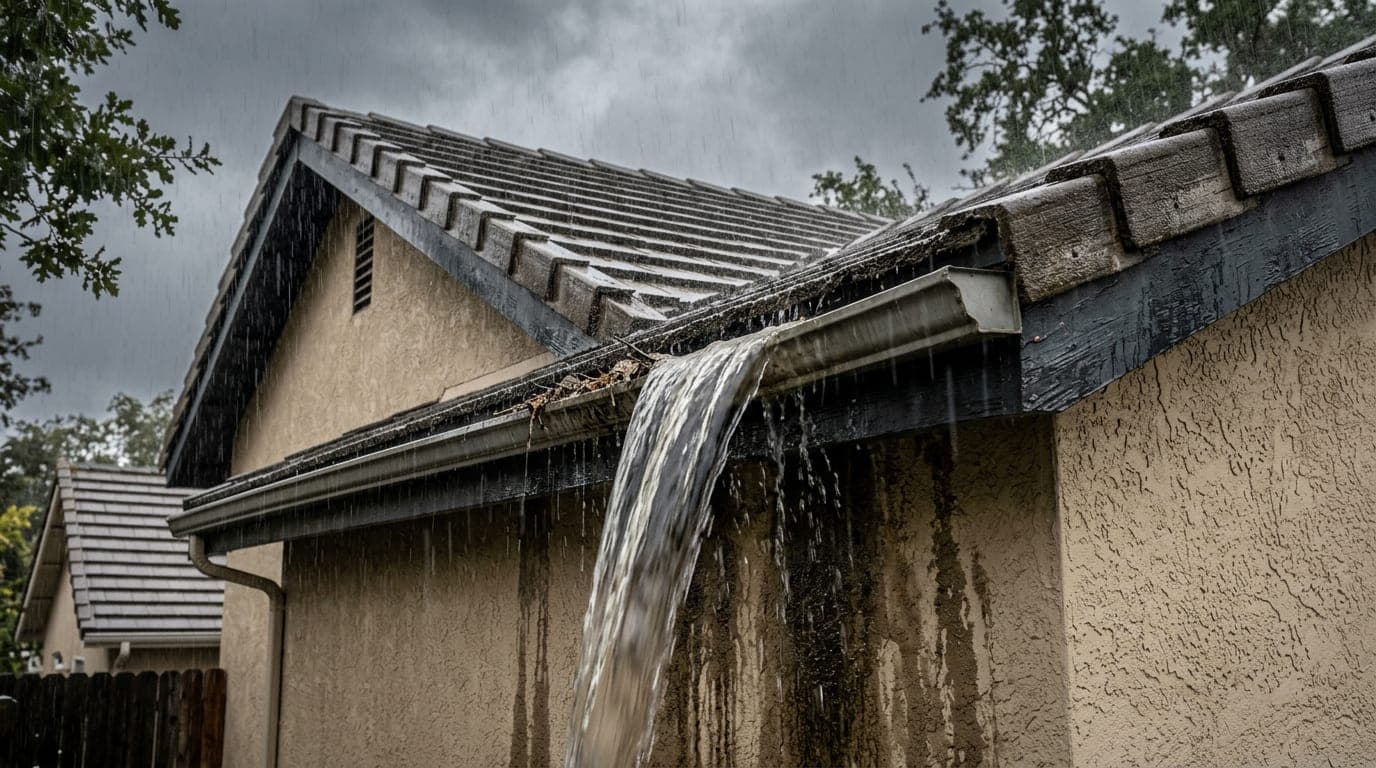
Next time it rains, look at the gutters. If one is overflowing onto a wall, or a downspout dumps water against the foundation, that's a problem. Constant water on one spot is how a small flaw becomes a big one.
8. Look at the bottom of the wall.
Stucco should stop above the soil or concrete, not run into it. If it's buried, or if planters, sprinklers or soil are piled up against it, the wall can pull water up like a wick. Check for staining and crumbling in the bottom foot or so.
Is it too late to have something checked once the rain has started?
No. In fact, this is a good time. A leak is easiest to find when it's actually leaking, because the evidence is fresh. We'd much rather see a wall that's wet than try to guess in August where the water got in. Some repairs have to wait for a dry stretch, especially anything involving removing stucco, but finding the problem and stopping it from getting worse doesn't have to wait.
How fast can a small leak turn into dry rot or mold?
Faster than most people think. Wood that stays damp can start to break down in a matter of months, and in a wall cavity with no airflow, mold can start even sooner. A leak that begins with the first storms in October can be a real problem by spring. Sacramento's climate doesn't help either, because we get long stretches of wet weather followed by warm days, which keeps a trapped wall damp.
If you want to know what that looks like once it's gotten bad, we wrote about it in what dry rot repair costs and how long it takes, and our Dry Rot Repair page explains how we fix it.
When do you call someone now, and when can you keep an eye on it?
Here's how we'd sort it.
Call this week:
A stain on a ceiling or wall that's growing or came back after painting
Soft, spongy or crumbling wood on trim, fascia or casings
A musty smell that won't go away
Water you can actually see coming in
Stucco that's bulging, separating, or hollow-sounding
Keep an eye on it:
A single hairline crack, thinner than a credit card, with no staining and nothing on the inside
Cosmetic paint fading with no peeling and no soft spots
If you're keeping an eye on something, photograph it and check it after every big storm. If it changes, move it to the first list. And if you're not sure which list it belongs on, that's a good reason to have someone look. Our Water Leak Detection & Repair page explains how we trace a leak to its source before anyone cuts into a wall.
Save this one for next year
Stucco problems follow the weather, so this checklist works every fall. Print it, stick it on the fridge, and walk the house after the first big storm of the season. It only takes a few minutes, and it can save you from a repair bill that runs into five figures.
Found something on your walk, or not sure what you're looking at? We'll come out, take a look, and give you a written estimate with a clear scope of what needs to be done and what it costs. Request an estimate here or call us at (916) 962-2020.
Related services
Explore how HomePRO diagnoses and repairs the problems covered in this article.
Keep reading
All articles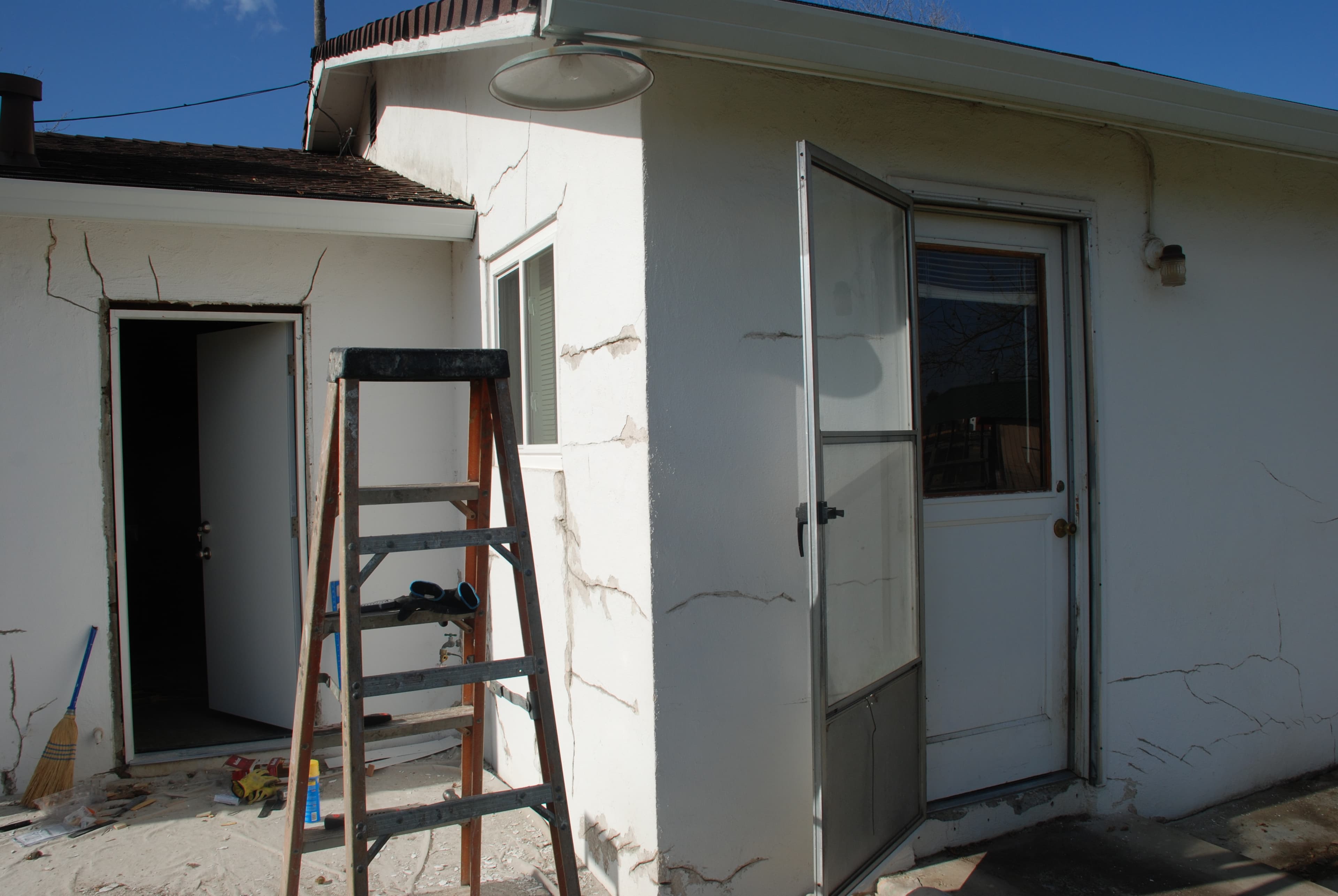 Stucco & Water Intrusion
5 min read
Stucco Cracks Around Windows and Doors: Which Ones Are Normal, and Which Ones Mean Water Is Getting In?
Some cracking around windows and doors is normal and cosmetic, and some is a sign of more serious issues behind the stucco. Here’s how to tell the difference.
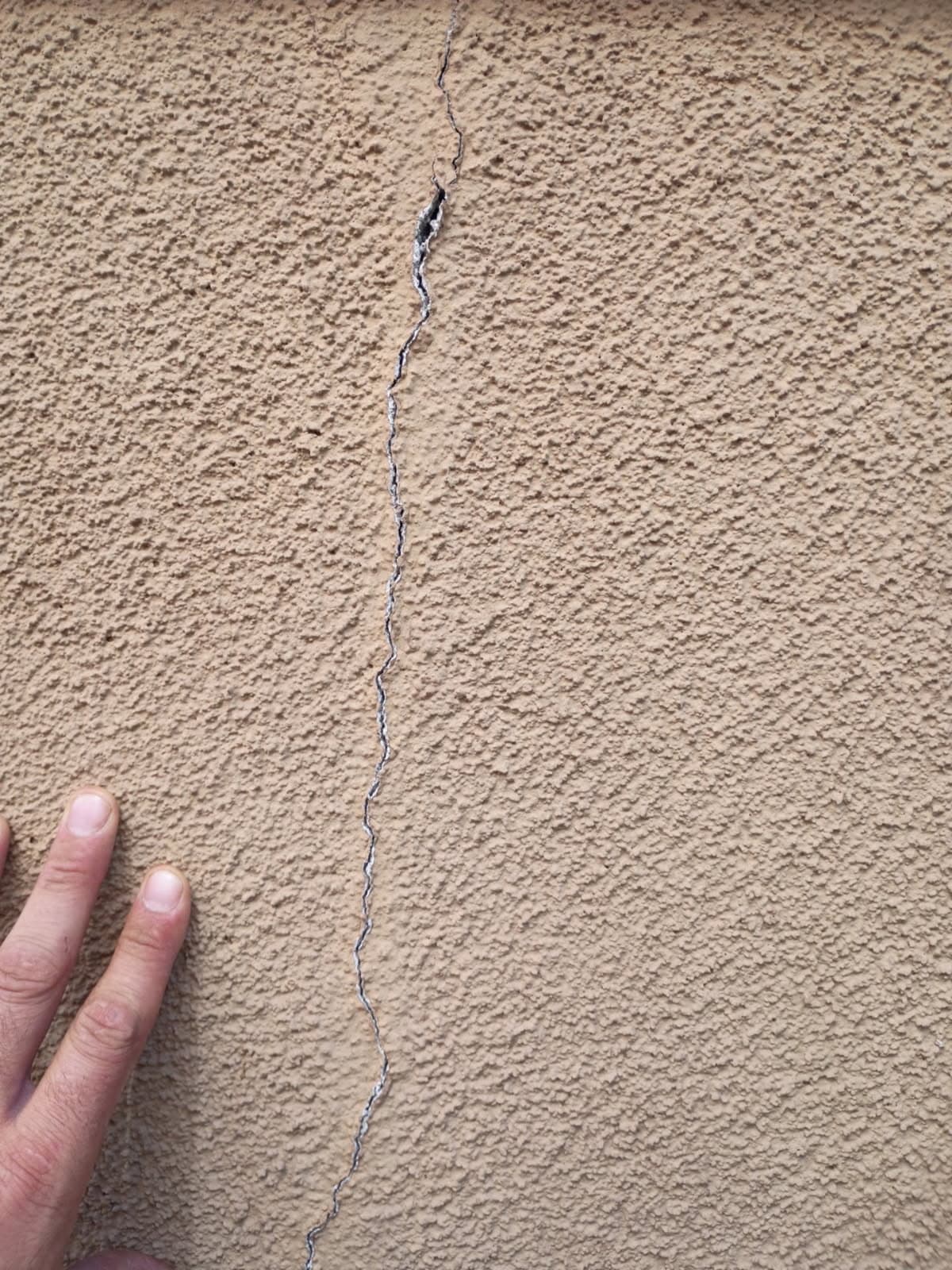 Stucco & Water Intrusion
6 min read
Is Your 1990s or Early-2010s Sacramento Home Due for a Stucco Checkup?
Sacramento tract homes from the 1990s and early 2000s are now old enough that the materials behind the stucco start to fail. Here is why this era of home deserves a closer look, and why September is the right time to get ahead of it.