
Got Another Estimate on Your Dry Rot Problem? Here’s What to Compare Before You Decide
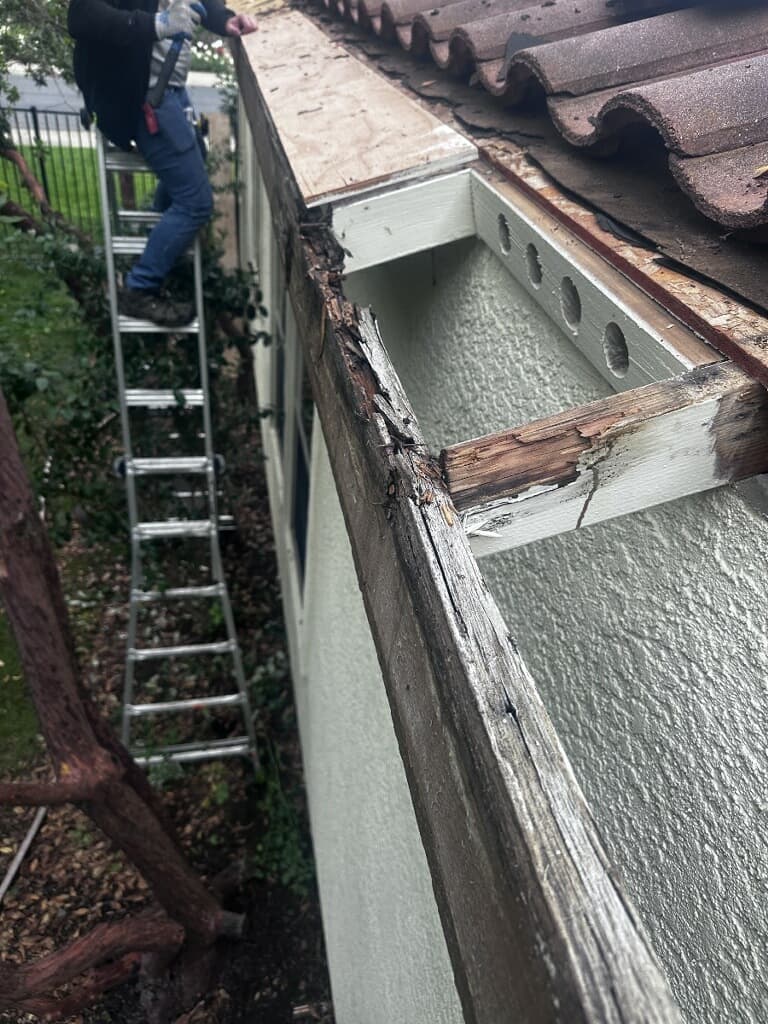
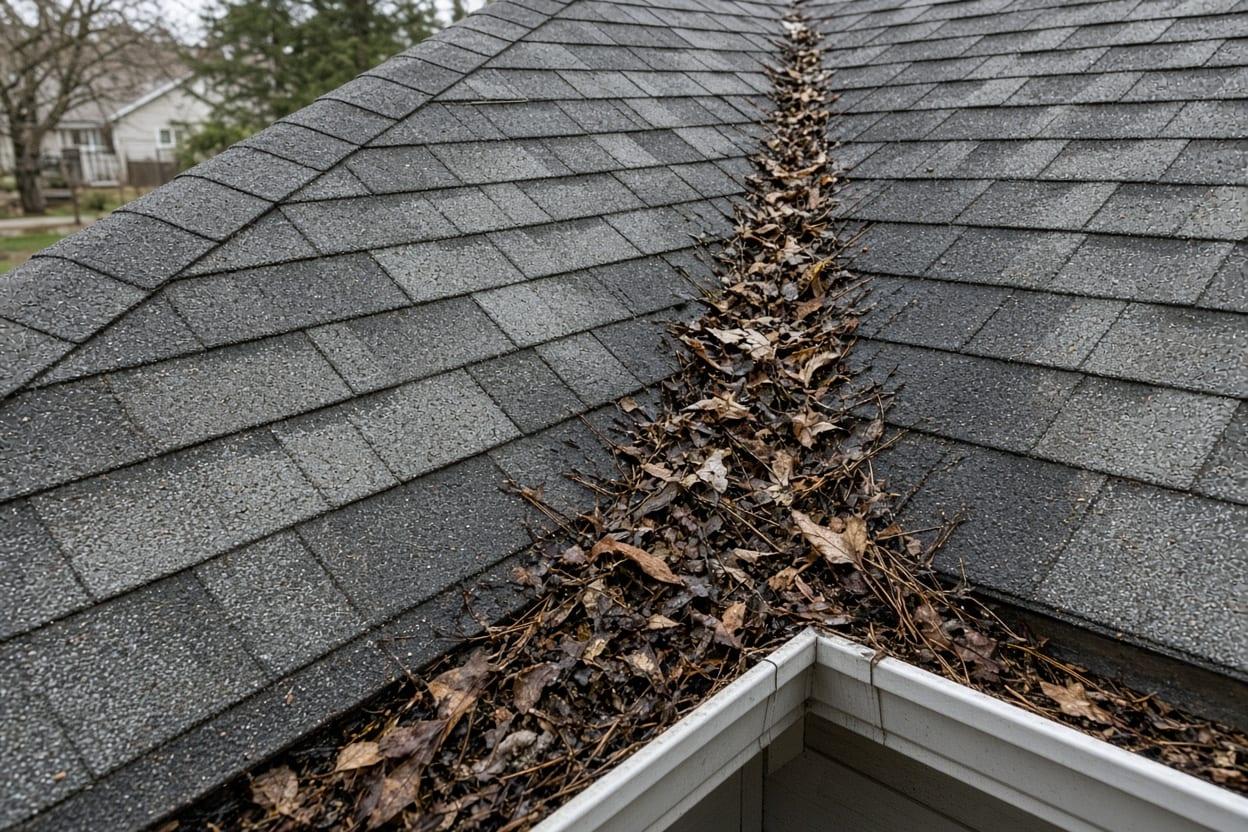
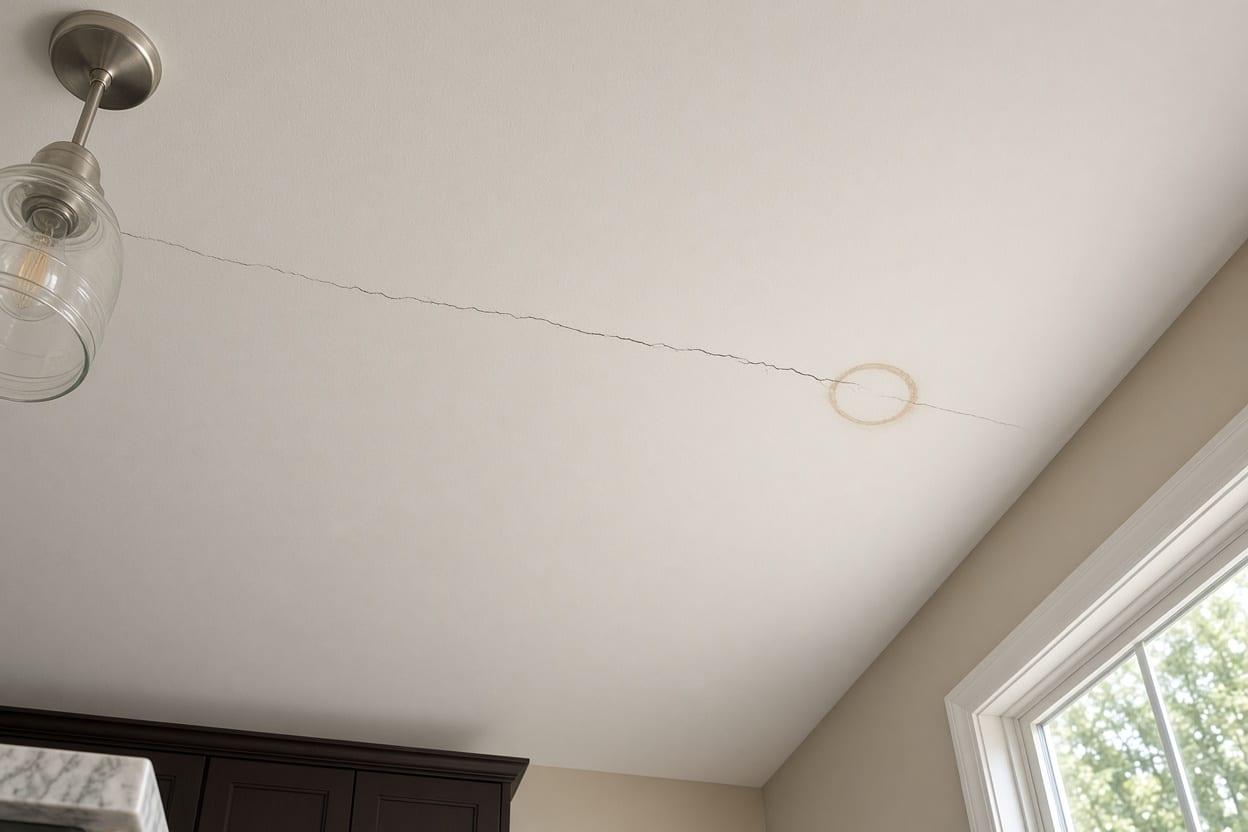
We hear this a lot, and it came through the website again this month. A homeowner had severe dry rot at the back corner of the house, right where the gutter meets a roof valley. Another contractor had already been out that day. They climbed on the roof, took a photo of a pile of debris sitting in the valley, and said that was probably what cracked the ceilings in the kitchen and bathroom. Their plan was to clean it out and replace the plywood in that section.
That’s not a bad estimate. It might even be right. But the homeowner did something smart. They walked the whole house, wanted to know what else was going on and what it would all cost, and kept their main focus where it should be: stop the water coming in first, then deal with the rest.
That’s the kind of customer we like working with, so here’s how we’d think about that situation, and about any estimate you’re holding right now.
Why people call us after getting another estimate
Nobody has ever called us because they were unhappy with how much they trusted the first contractor. They call because something didn’t quite add up, or they got a number without understanding what it was based on. The most common reasons are:
The diagnosis was a guess. “Likely” and “probably” show up a lot. A contractor who looks at a stain and a pile of leaves and says that’s the cause may be right, but they haven’t proven it.
The estimate covered one spot. The homeowner wanted to know about the whole house, and the estimate only covered the area that was easy to see.
The scope was vague. A line that says “replace plywood as needed” can mean two sheets or twenty. Nobody can price that until the wall is open.
Nobody could say what comes after. Dry rot at a roof valley usually isn’t the whole story, and the homeowner wanted a plan, not just a first step.
Two estimates didn’t match and nobody could explain why. One number is low because it leaves things out. Another is high because it assumes the worst. Without a written scope, you can’t tell which is which.
Is debris in the valley really the cause?
It can be, and we’re not going to pretend otherwise. A valley is where two roof slopes meet, and it carries a big share of your roof’s water. When it’s packed with leaves and pine needles, water backs up, spreads sideways under the shingles, and soaks the plywood underneath. At the corner gutter, it can overflow and run down the fascia and into the wall. We’ve seen exactly this many times.
But debris is also something that’s almost always present in a valley, so finding it doesn’t prove it’s the source. Cracks in a kitchen and bathroom ceiling can come from the roof, but they can also come from a vent pipe boot, a bathroom exhaust fan, a plumbing line, window flashing, a stucco crack, or a combination of two or three. Ceiling cracks can even come from drywall movement and have nothing to do with water.
The honest question isn’t whether the debris is a problem. It’s whether the debris explains everything you’re seeing, or only part of it. That’s what a proper investigation answers.
What we do differently
We diagnose before we repair. That sounds simple, but it changes how the whole job goes.
We test the suspects one at a time. If the valley is the likely source, we test the valley. We run water on it by itself and watch what happens inside. Then we test the next suspect. When something leaks on demand and we can show you, that’s confirmation. This is the same approach we describe in our Water Leak Detection & Repair work, and it’s why we’re comfortable putting a scope in writing.
We look at the whole house, not just the worst corner. Dry rot at a roof corner often has company. The fascia, the gutter line, the window casings and the stucco nearby are all worth checking, because water that gets in at one spot tends to travel. If the homeowner asks what else is going on, he gets a real answer.
We put it on paper. You get a written report with photos, and a clear scope. Each item shows what we found, where, and what it takes to fix. If you file an insurance claim, that documentation is what an adjuster wants to see.
We sort the work by urgency. This is the part homeowners tell us they appreciate most. The active entry point comes first, because that’s what’s damaging your house right now. Everything else gets ranked: needs doing soon, can be scheduled, or is cosmetic and can wait. That way you can fix the leak right away, and you aren’t pushed into a giant project all at once or left guessing about what you’re leaving alone.
How to compare two estimates fairly
If you’ve got two estimates on the table, don’t start with the price. Start here:
What’s the diagnosis, and how was it confirmed? “We saw debris” and “we tested the valley and it leaked” are not the same thing.
What’s included? Roofing, plywood, framing, fascia, gutter, stucco, paint and interior drywall are all different line items. Make sure they’re on both lists.
How is hidden damage handled? Plywood and framing usually can’t be priced exactly until they’re exposed. A good estimate explains how that will be handled and what happens if there’s more damage than expected.
Is there a plan for the rest of the house? Even if you only fix one area now, you should know what else is out there.
What do you get in writing? Photos, readings and a defined scope protect you whether you hire us or somebody else.
Price matters, of course. But two numbers only mean something if they cover the same work. A lower estimate that leaves out half the scope isn’t lower, it’s just incomplete. We’d rather give you a fair price on the full picture than a low number that grows on the job.
What if the other contractor was right?
Sometimes they are. If we investigate and the debris in the valley turns out to be the whole story, we’ll tell you that. We’ll show you the readings and the photos, and you can decide whether to hire us or the other company. A second opinion that confirms the first one is still worth having, because now you’re sure.
And sometimes the debris is part of it, and there’s a flashing problem or a second entry point nobody had found yet. Finding that before you spend money on the repair is exactly why a second look is worth it.
Not sure where to start?
If you’re sitting on an estimate and something about it doesn’t feel complete, call us. We’ll look at the damage, track down where the water is getting in, and give you a written, photo-documented scope with the urgent work separated from the rest. You decide what happens next. Request an estimate or call us at (916) 962-2020.
Related services
Explore how HomePRO diagnoses and repairs the problems covered in this article.
Keep reading
All articles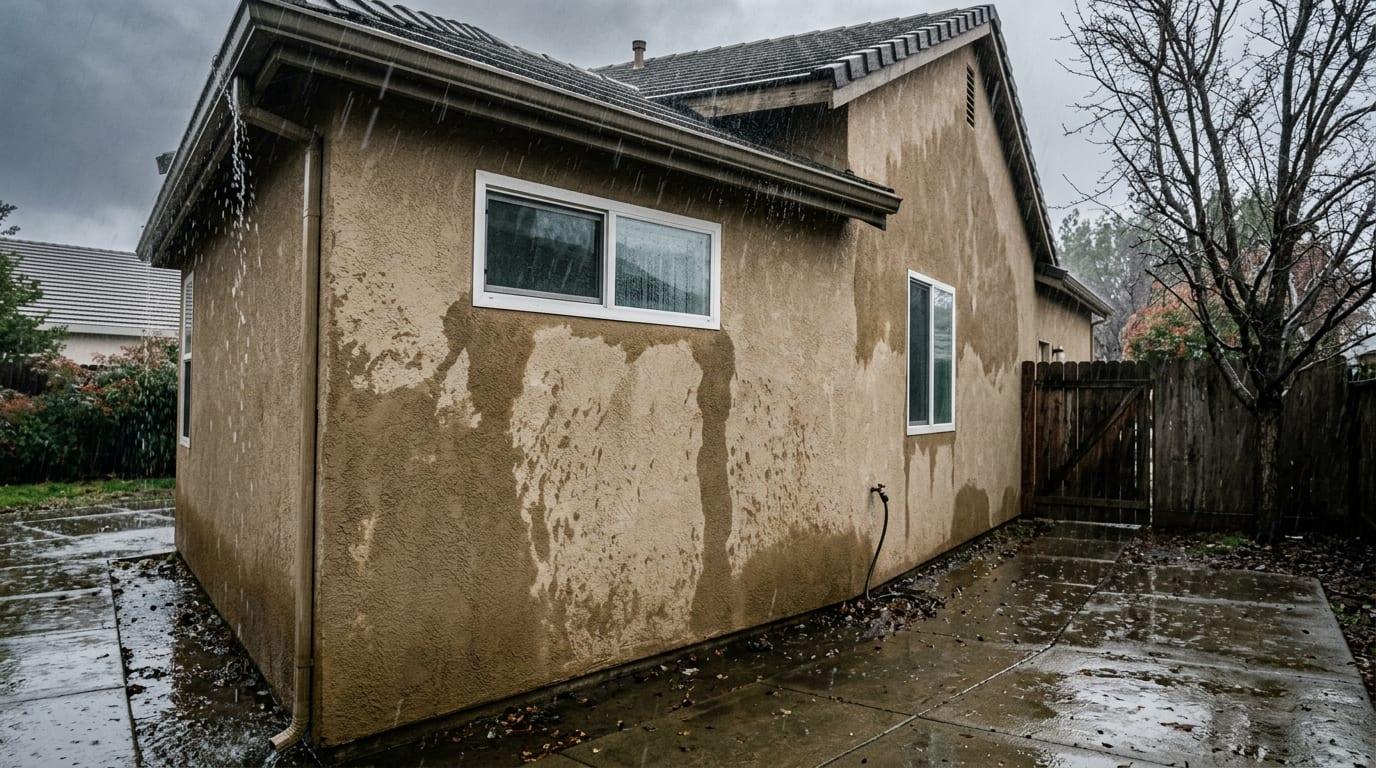 Stucco & Water Intrusion
5 min read
Sacramento's First Storms Are Here: The Stucco Warning Signs Homeowners Miss Every Fall
What to check on your stucco home after Sacramento's first big storm: 8 warning signs of a leak, when to call someone, and when it can wait.
 Stucco & Water Intrusion
7 min read
A Leak Is Dripping Inside My Wall and I Don’t Know Where It’s Coming From. Now What?
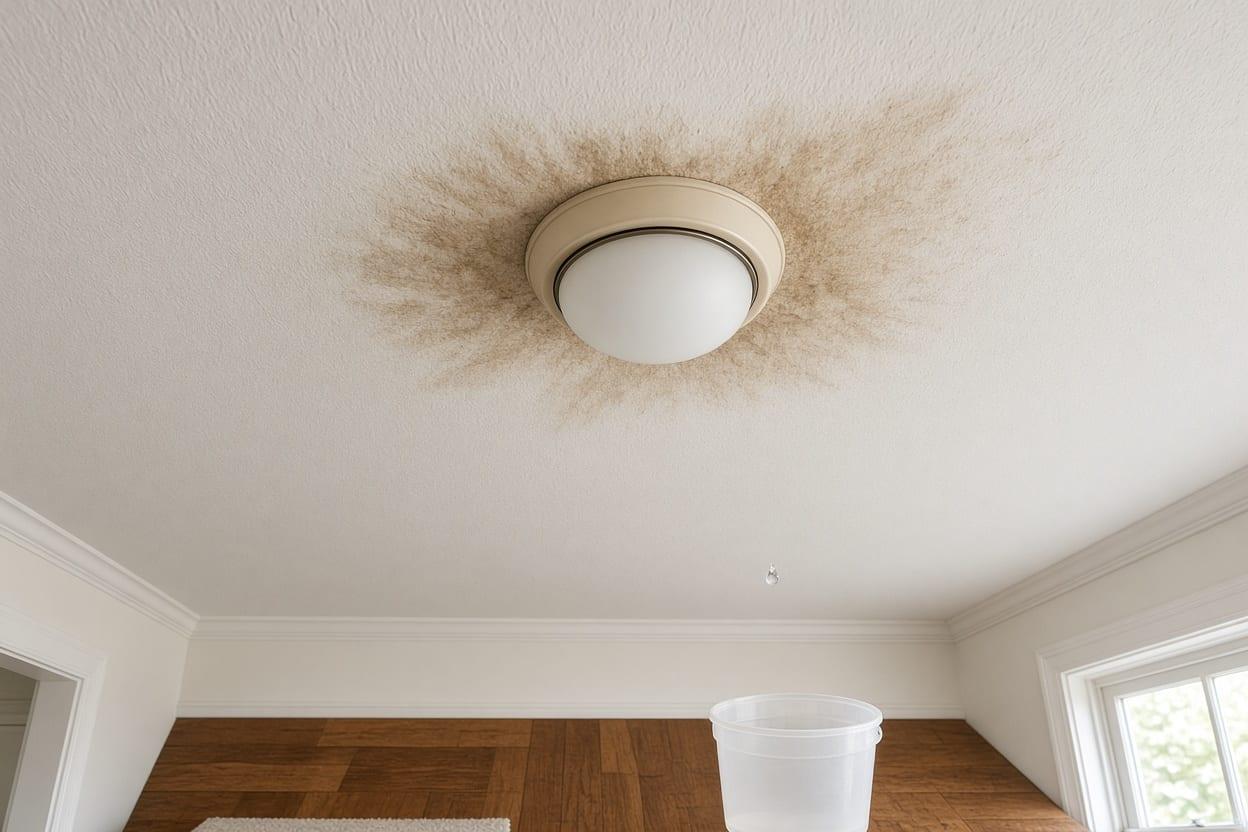
Water dripping from a ceiling near a light fixture? Here’s how leaks behind stucco get traced to the real source, what the common causes are, and how to document it for insurance.
- Dry Rot Repair
5 min read
Dry Rot Behind Stucco: What It Costs to Fix and How Long It Takes
Dry rot behind stucco in Sacramento homes: what repairs typically cost, what drives the price, how long the job takes, and what insurance usually covers.